



What's Happening?
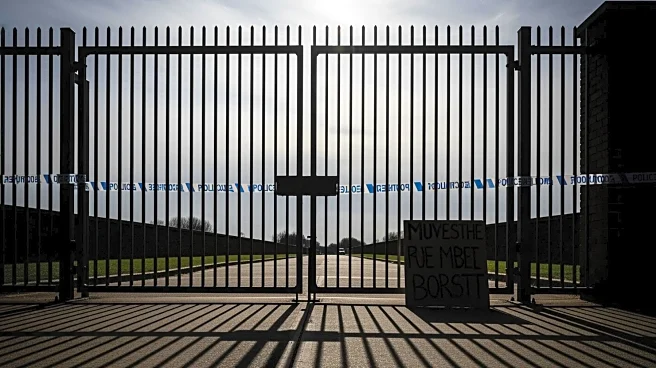
On January 10, 2026, Minnesota Representative Ilhan Omar was denied access to an Immigration and Customs Enforcement (ICE) facility in Minneapolis. The visit was part of a broader effort by Omar and fellow Minnesota House Democrats Angie Craig and Kelly
Morrison to inspect the facility amid nationwide protests against immigration enforcement actions. The denial of entry was justified by ICE officials on the grounds that the facility was funded by the 'Big Beautiful Bill' rather than congressional appropriations, thus barring congressional oversight. Tricia McLaughlin, assistant secretary for public affairs at the Department of Homeland Security (DHS), stated that the visit was 'out of compliance' with agency mandates, which require a seven-day notice for congressional visits. This incident follows a December ruling by a federal judge that blocked a Trump administration policy mandating such advance notice, suggesting that DHS policies may exceed statutory authority.
Why It's Important?
The denial of entry to Rep. Omar and her colleagues highlights ongoing tensions between congressional oversight and executive agency operations, particularly concerning immigration enforcement. This incident underscores the challenges faced by lawmakers in exercising their oversight responsibilities, which are crucial for ensuring transparency and accountability in federal facilities. The situation also reflects broader national debates over immigration policy and the treatment of detainees. Legal experts emphasize the importance of unannounced inspections to safeguard detainee conditions, suggesting that restrictions on congressional access could lead to unchecked facility operations. This development could impact public trust in immigration enforcement agencies and influence future legislative actions aimed at enhancing oversight mechanisms.
What's Next?
The incident may prompt further legal and political actions to clarify the extent of congressional oversight rights over ICE facilities. Lawmakers could seek to challenge DHS policies that restrict access, potentially leading to new legislative or judicial interventions. Additionally, the situation may fuel ongoing public and political discourse on immigration policies, potentially influencing upcoming legislative sessions. Stakeholders, including immigration advocacy groups and legal experts, are likely to continue advocating for greater transparency and accountability in ICE operations, which could result in increased scrutiny and potential policy reforms.