


What's Happening?
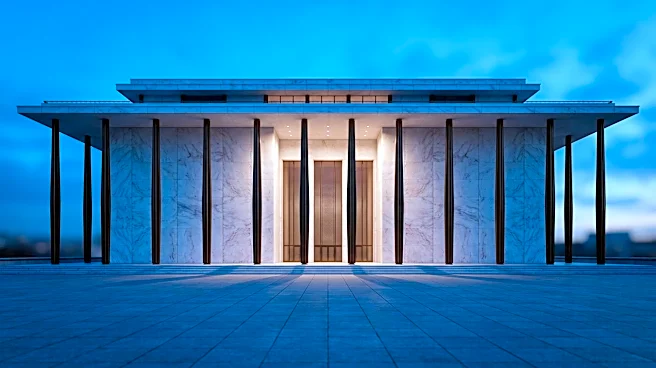
Thousands of residents and patrons of the Kennedy Center in Washington D.C. recently protested President Trump's actions concerning the arts center. The protest was sparked by President Trump's threat to withhold $270 million in congressional appropriations
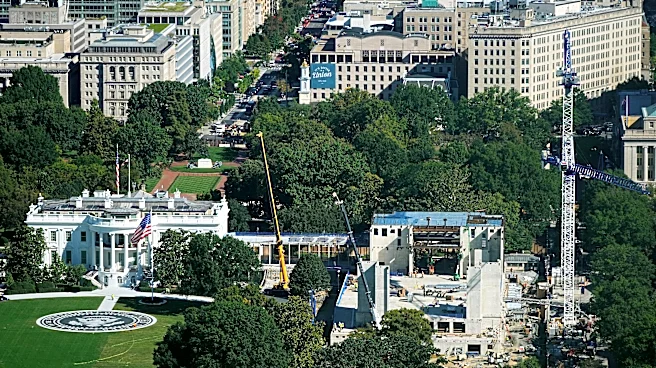
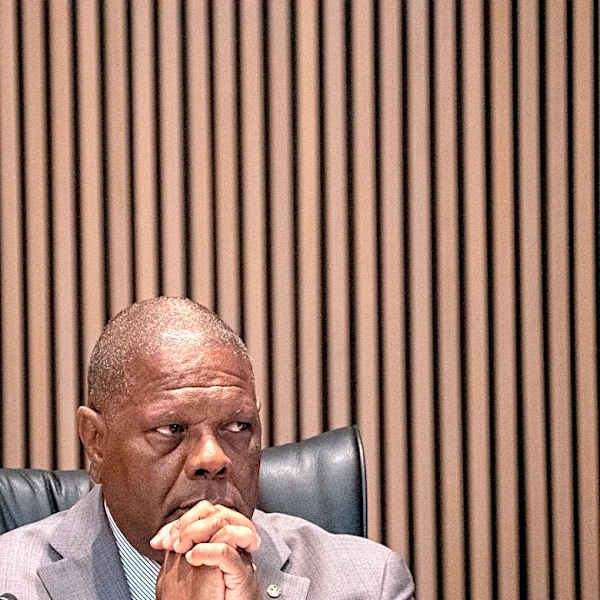
for the Kennedy Center's renovation. This threat followed a judge's second ruling that the President's name could not be inscribed on the building. Critics, including Robert White, an at-large member of the Council of the District of Columbia, argue that President Trump's approach to the Kennedy Center, and other D.C. monuments, is akin to an 'authoritarian toddler' who would rather destroy than share. Other D.C. projects, such as Lafayette Park and the Lincoln Memorial Reflecting Pool, have also faced issues, including fencing off and delayed renovations, under the current administration.
Why It's Important?
This protest and the underlying dispute over the Kennedy Center's funding and naming rights highlight significant tensions between the executive branch and cultural institutions, as well as local D.C. governance. The potential withholding of $270 million in renovation funds could severely impact the Kennedy Center's ability to maintain its facilities and continue its programming, affecting both the arts community and the public who benefit from its offerings. This situation also raises questions about the appropriate influence of political figures over national cultural landmarks and the allocation of congressionally approved funds. The broader context of other D.C. projects facing similar issues suggests a pattern of administrative actions impacting public spaces and institutions, which could have long-term implications for the city's infrastructure and cultural landscape.
What's Next?
The immediate future will likely involve continued public and political debate over the Kennedy Center's funding and the President's demands. Congress may need to address the threatened withholding of funds, potentially leading to legislative action or further legal challenges. The ongoing protests indicate sustained public pressure, which could influence political decisions. The fate of the $270 million appropriation and the timeline for the Kennedy Center's renovations remain uncertain. This situation could also set a precedent for how future administrations interact with and fund national cultural institutions, potentially leading to more formalized protections or clearer guidelines for such engagements.
Beyond the Headlines
The controversy surrounding the Kennedy Center transcends mere funding disputes; it touches upon the symbolic ownership of national cultural institutions and the role of the arts in American society. The desire to inscribe a President's name on a public building, particularly one with significant cultural heritage, raises ethical questions about legacy, public service, and the potential for politicization of non-partisan institutions. This incident could fuel a broader discussion about the governance and protection of national monuments and cultural centers from political interference. It also underscores the power of public outcry and local activism in defending cherished institutions against perceived threats, highlighting the ongoing struggle between political authority and community values in the nation's capital.