
What's Happening?
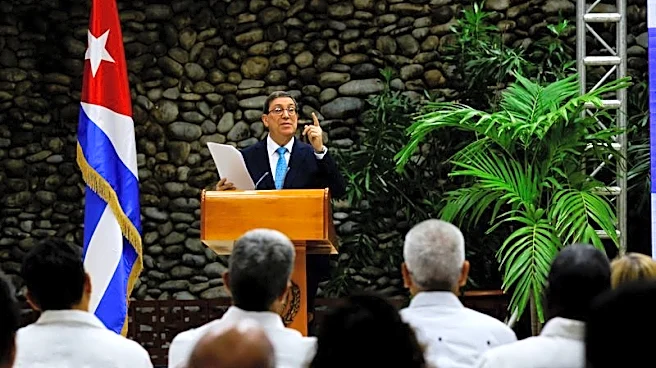
On September 2, 2026, Democratic Congresswomen Delia Ramírez of Illinois and Ilhan Omar of Minnesota convened a 'shadow hearing' titled 'Breaking the Blockade: Reassessing the Moral and Legal Failures
of US-Cuba Policy.' This unofficial congressional session, which mirrored the formalities of an official hearing, featured testimony from four witnesses. Dr. Tania Zakrison of the University of Chicago Medical Center described a 'humanitarian catastrophe' in Cuba, attributing it to the oil blockade imposed by the Trump administration in January and subsequent coercive measures. She highlighted severe shortages of medical supplies, leading to preventable deaths, and a critical water shortage affecting one-third of the population. Rev. Dr. Robert Turner of Empowerment Temple in Baltimore, Maryland, who visited Cuba in July, characterized the U.S. policy as 'collective punishment' and a 'constructed crisis.' Attorney Suzanne Adely, president of the National Lawyer’s Guild, argued that the blockade violates international law and that Cuba's designation as a 'State Sponsor of Terrorism' is arbitrary. Felix Sharpe Caballero, a Cuban-American, testified about the dire impact on Cuban citizens, including infant mortality due to power outages in NICUs, and accused the U.S. of using hunger and lack of resources to achieve economic overthrow.
Why It's Important?
This shadow hearing is significant as it brings to light a critical debate within U.S. foreign policy regarding Cuba, challenging the long-standing economic blockade. The testimonies presented paint a grim picture of the humanitarian situation in Cuba, directly linking U.S. policies to severe suffering and preventable deaths. This could intensify pressure on the U.S. government to re-evaluate its approach to Cuba, potentially leading to shifts in policy that could alleviate the humanitarian crisis. The discussion of international law violations and the 'State Sponsor of Terrorism' designation highlights the legal and ethical complexities of the blockade, which could impact the U.S.'s standing on the global stage. Furthermore, the call for legislative action, including the United States Cuba Trade Act and a resolution to annul the Monroe Doctrine, indicates a growing movement within Congress to fundamentally alter U.S.-Cuba relations. If successful, such legislative changes could open up new trade opportunities, improve diplomatic ties, and significantly impact the lives of Cuban citizens and Cuban-American communities.
What's Next?
Congresswoman Ramírez concluded the hearing by stating, 'This shadow hearing is just the beginning,' and urged the American public to raise awareness about the issue. She vowed to continue pressuring her colleagues to pass three key pieces of legislation. These include H.R.7521 and its companion S. 136, the United States Cuba Trade Act, aimed at lifting the blockade. Additionally, Resolution 1056 seeks to annul the Monroe Doctrine, advocating for the termination of all unilateral economic sanctions imposed through executive orders and those mandated by law, such as the Cuba embargo. The third piece of legislation is H.Con.Res 106, designed to stop unauthorized military action in Cuba. The ongoing efforts by these lawmakers and their allies suggest a sustained campaign to challenge and ultimately dismantle the existing U.S. policy towards Cuba. The success of these legislative initiatives will depend on gaining broader support within Congress and from the public, potentially leading to significant changes in U.S. foreign policy and humanitarian aid to Cuba.
Beyond the Headlines
The shadow hearing on the U.S. blockade of Cuba delves into deeper implications beyond immediate policy changes, touching upon ethical, legal, and historical dimensions of U.S. foreign relations. The testimonies, particularly those describing the 'humanitarian catastrophe' and 'quiet genocide,' raise profound ethical questions about the impact of economic sanctions on civilian populations. The assertion that the U.S. is committing 'crimes against humanity' and potentially 'genocide' challenges the moral foundation of current U.S. policy and could trigger broader international scrutiny. Legally, the discussion about the blockade violating international law and the arbitrary nature of Cuba's 'State Sponsor of Terrorism' designation highlights the ongoing debate about the legitimacy and effectiveness of unilateral sanctions. Historically, the call to annul the Monroe Doctrine signifies a desire to re-evaluate foundational principles of U.S. foreign policy in the Western Hemisphere. This movement could lead to a re-examination of U.S. interventionism and its long-term consequences, potentially fostering a more multilateral and less coercive approach to international relations. The emphasis on making Cuba 'part of our algorithm' suggests a strategic effort to shift public discourse and policy priorities, indicating a long-term cultural and political battle over the narrative of U.S.-Cuba relations.