



What's Happening?
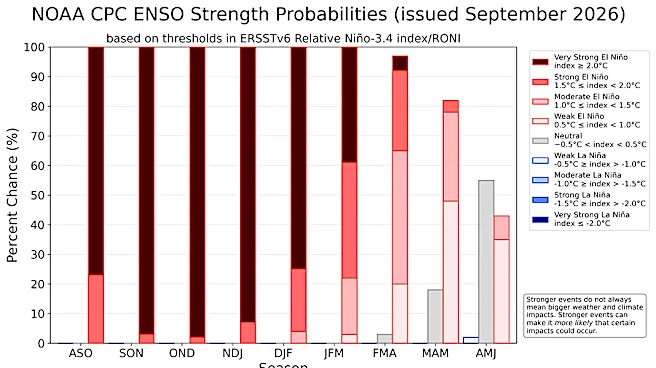
El Niño and La Niña are natural climate patterns that originate in the tropical Pacific Ocean and significantly influence global weather. El Niño occurs when the eastern Pacific Ocean near the equator warms more than usual, releasing heat into the atmosphere
and altering weather patterns worldwide. Conversely, La Niña is characterized by cooler-than-usual water in the same region. These phenomena are responsible for some of the planet's most substantial weather variability. For instance, El Niño years tend to be among the hottest on record globally and can shift rainfall patterns, leading to floods in some areas and droughts in others. In the U.S., El Niño typically brings more intense rainfall to the southern states and warmer, drier conditions to the northern half of the country.
Why It's Important?
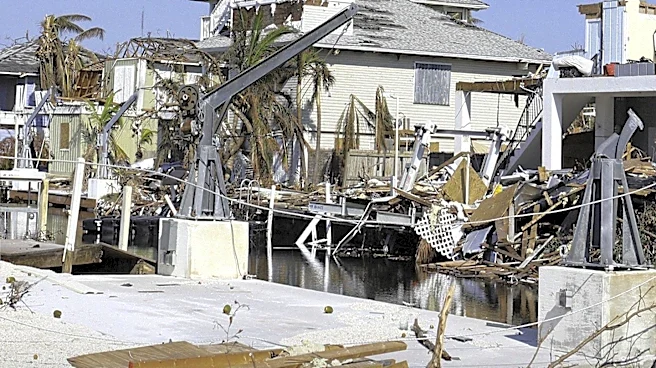
The influence of El Niño and La Niña on U.S. weather patterns has significant implications for various sectors. Increased rainfall in the southern U.S. during El Niño can alleviate drought conditions and recharge aquifers, but also raises the risk of floods. Conversely, the warmer and drier conditions in the northern U.S. can exacerbate existing droughts. These shifts impact agriculture, water resource management, and disaster preparedness across the nation. Furthermore, El Niño can lead to fewer hurricanes in the Atlantic Ocean but more frequent and rapidly intensifying hurricanes in the Pacific, affecting coastal communities. Understanding these patterns is crucial for policymakers, businesses, and communities to prepare for and mitigate potential economic and social disruptions, from crop yields to infrastructure damage.
What's Next?
While El Niño and La Niña are natural cycles, their effects are increasingly intertwined with climate change. Experts note that while El Niño 'loads the dice' for certain weather responses, natural fluctuations can still alter outcomes. The most intense storms are already producing more rainfall in much of the U.S. due to a warmer atmosphere holding more water vapor, and heat waves and droughts are intensifying. Therefore, future weather events will be shaped by both these natural patterns and ongoing climate change. As El Niño events fade, the long-term impacts of climate change will persist. This necessitates continued monitoring, advanced forecasting, and the development of resilient strategies to adapt to a changing climate, ensuring that communities are better prepared for a wider range of extreme weather events.
Beyond the Headlines
The interaction between natural climate phenomena like El Niño and La Niña and anthropogenic climate change presents a complex challenge. Beyond immediate weather impacts, this dynamic highlights the need for a holistic approach to environmental policy and resource management. The increased frequency and intensity of extreme weather events, partly driven by climate change, underscore the urgency of transitioning to sustainable practices and reducing greenhouse gas emissions. This situation also prompts a re-evaluation of infrastructure development, urban planning, and agricultural practices to enhance resilience against unpredictable weather. The scientific community's ability to forecast these patterns, even with inherent variability, is a testament to advancements in climate science, yet it also emphasizes the critical need for effective communication and implementation of these warnings to protect lives and livelihoods.