


What's Happening?
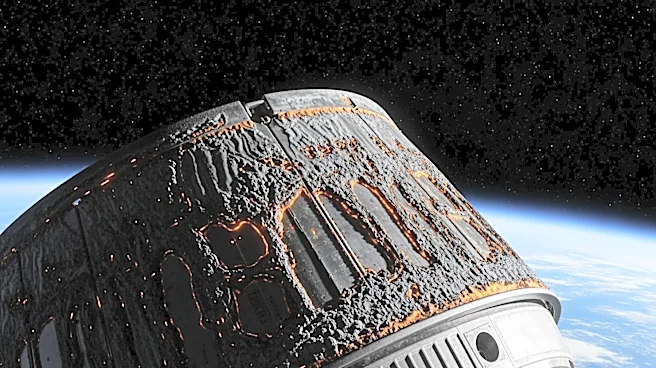
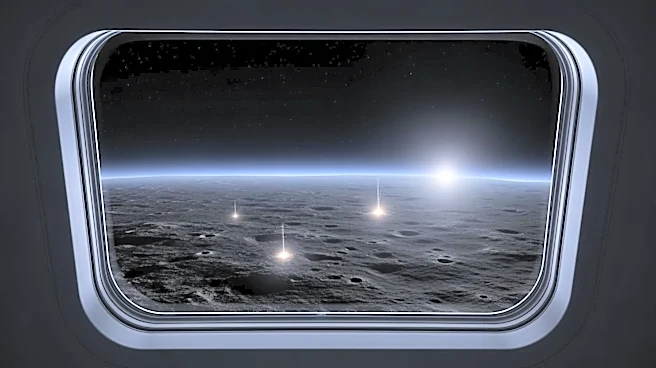
NASA's Artemis 2 mission, which launched on April 1, involved a unique collaboration between the mission's commander, Reid Wiseman, and astrophotographer Andrew McCarthy. The mission, which took four astronauts on a 10-day journey around the moon's far
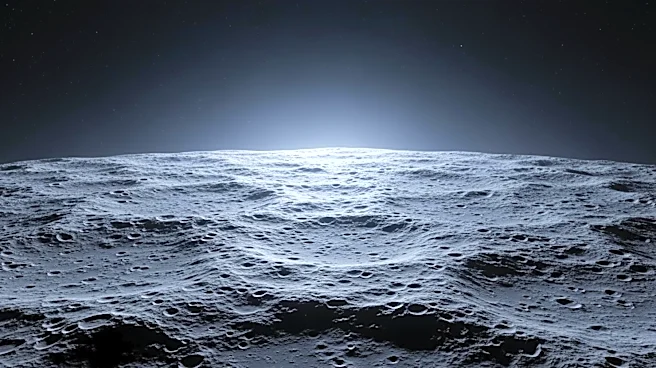
side, resulted in breathtaking images of the lunar surface. McCarthy, known for his detailed astrophotography, reached out to Wiseman with the idea of capturing the moon using techniques that highlight color differences not visible to the naked eye. Wiseman agreed, and the collaboration led to images that reveal the moon's surface in unprecedented detail. McCarthy's method involves stacking multiple images to enhance color and detail, a technique that was applied to the photos taken by Wiseman during the mission.
Why It's Important?
This collaboration between NASA and an astrophotographer highlights the potential for innovative partnerships in space exploration. The images produced offer new insights into the moon's geological composition, showcasing mineral diversity through enhanced color representation. Such detailed imagery can aid scientific research by providing clearer data on the moon's surface materials, which is crucial for future lunar missions and potential resource utilization. The success of this collaboration also demonstrates the value of combining professional expertise from different fields to achieve groundbreaking results in space exploration.
What's Next?
Following the success of this collaboration, there may be increased interest in similar partnerships for future space missions. NASA could explore more opportunities to work with experts outside the traditional space industry to enhance mission outcomes. Additionally, the release of over 12,000 images from the Artemis 2 mission provides a wealth of data for further analysis and public engagement. McCarthy plans to continue working with the images, potentially leading to more discoveries and public interest in lunar exploration.