
What's Happening?
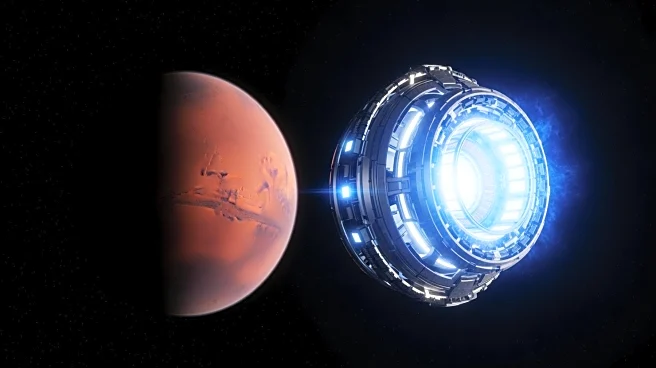
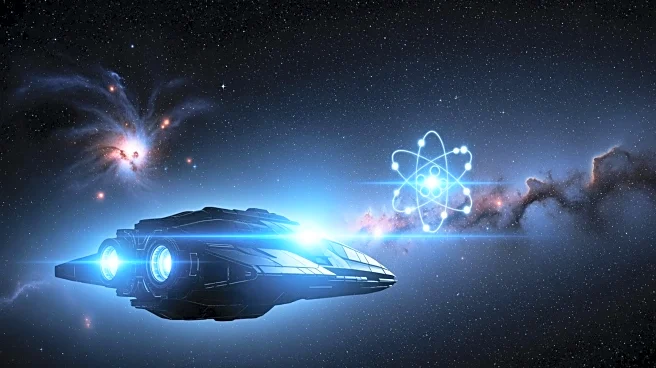
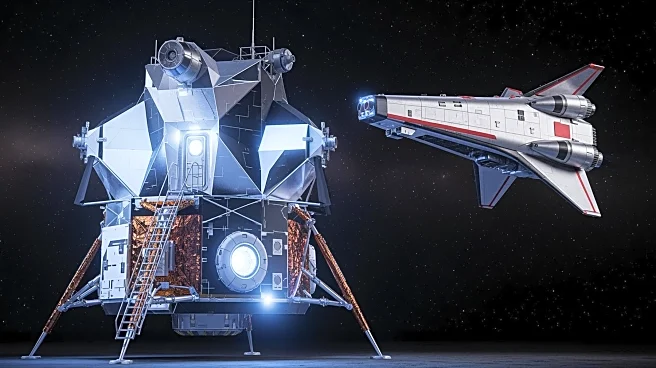
NASA is advancing its nuclear propulsion and workforce strategies to support future space exploration, including plans to launch the Space Reactor-1 Freedom (SR-1 Freedom) to Mars by 2028. This nuclear-powered spacecraft aims to improve mass transport
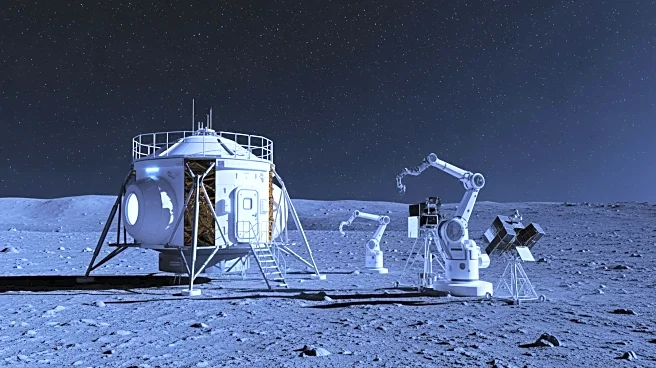
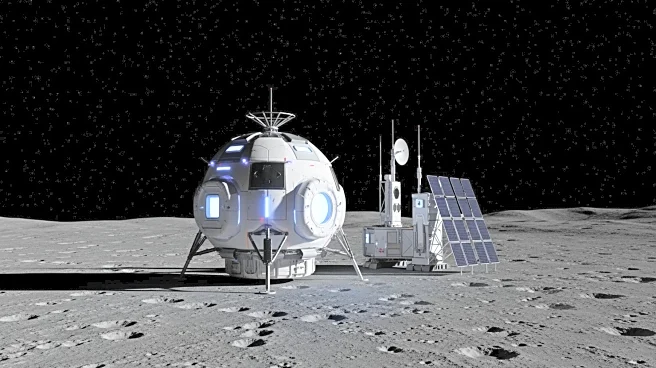
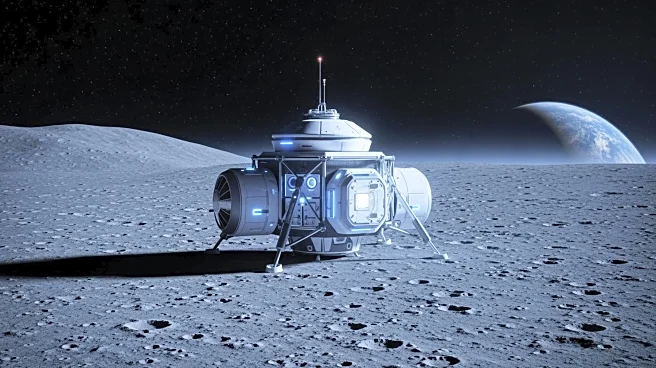
efficiency in deep space, particularly beyond Jupiter where solar energy is less effective. NASA is collaborating with the Department of Energy and industry partners to develop the necessary technology and workforce models. The agency is also focusing on building a moon base by 2030 and enhancing capabilities for missions beyond Earth orbit.
Why It's Important?
The development of nuclear propulsion systems is pivotal for NASA's long-term space exploration goals, enabling more efficient and powerful missions. This initiative could significantly impact the future of space travel, allowing for deeper exploration of the solar system and potentially leading to sustained lunar operations. By expanding its workforce strategies, NASA aims to integrate private-sector expertise and foster innovation, which is crucial for maintaining the U.S.'s leadership in space exploration. These efforts align with national space policy priorities and could inspire the next generation of scientists and engineers.
What's Next?
NASA plans to continue its collaboration with industry and federal agencies to refine its nuclear propulsion technology and workforce models. The agency's focus on public-private partnerships and rotational opportunities for early-career talent is expected to enhance its technical capacity and mission readiness. As NASA progresses with its plans, the successful deployment of SR-1 Freedom could establish regulatory frameworks and workforce requirements for future nuclear-powered missions, setting the stage for more ambitious space exploration endeavors.