






What's Happening?
Genetic sequencing has confirmed that the highly pathogenic avian influenza (HPAI) detected in two Washington dairy herds is consistent with transmission from Idaho, likely through cattle movement. The U.S. Department of Agriculture’s Animal and Plant
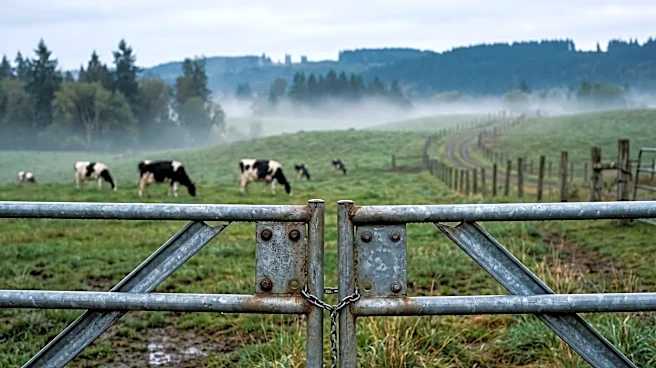
Health Inspection Service (APHIS) announced that the virus is H5N1 genotype B3.13. The first two detections in Washington dairy herds were reported on October 8, with the National Veterinary Services Laboratories completing whole genome sequencing on the same day. This B3.13 genotype has been implicated in most HPAI cases in U.S. dairy herds, stemming from the original spillover event in the Texas Panhandle in late 2023. The Washington herds exhibited clinical signs consistent with H5N1 infection, and surveillance is ongoing in the affected areas and throughout the state.
Why It's Important?
The confirmed genetic link between the Washington dairy bird flu cases and Idaho, and ultimately the Texas Panhandle, highlights the critical role of live animal movements in the interstate spread of HPAI. This finding underscores the need for enhanced biosecurity protocols and stricter regulations on cattle transport across state lines to contain the virus. While authorities reiterate that pasteurization effectively inactivates the HPAI virus and milk from affected animals is diverted or destroyed, ensuring consumer safety, the continued spread poses significant economic risks to the dairy industry. Farmers face potential losses from infected animals and the costs associated with disease management. The Centers for Disease Control and Prevention (CDC) continues to assess the risk to the public as low, but ongoing vigilance is crucial to prevent wider outbreaks and maintain public confidence in dairy products.
What's Next?
Following the genetic sequencing results, APHIS and state agricultural agencies will likely intensify efforts to track cattle movements and implement more stringent biosecurity measures, particularly for dairy herds transported across state lines. Surveillance will continue in Washington and potentially in Idaho to identify any further spread. Dairy farmers are expected to reinforce on-farm biosecurity practices to prevent infection. The focus will remain on containment and preventing the virus from establishing a broader presence within the national dairy herd. Public health agencies will continue to monitor for any human cases, although the risk remains low. The industry may also explore strategies to minimize disease transmission during animal transport.
Beyond the Headlines
The detailed genetic sequencing linking outbreaks across states provides invaluable data for understanding the epidemiology of HPAI in cattle. This scientific insight is crucial for developing targeted intervention strategies and predicting future spread patterns. Beyond the immediate agricultural impact, this situation raises broader questions about the resilience of the U.S. food supply chain against animal disease outbreaks and the effectiveness of current interstate animal movement regulations. The ongoing presence of HPAI in dairy herds also prompts a deeper examination of the interface between wildlife, livestock, and human health, emphasizing the 'One Health' approach. The continuous monitoring of viral evolution is essential to detect any changes that could alter its transmissibility or pathogenicity, ensuring public health preparedness.