




What's Happening?
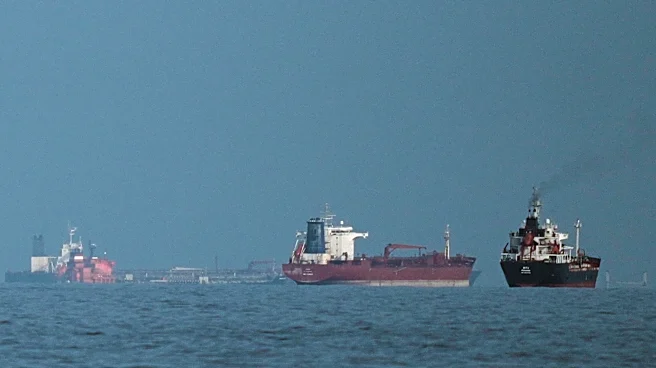
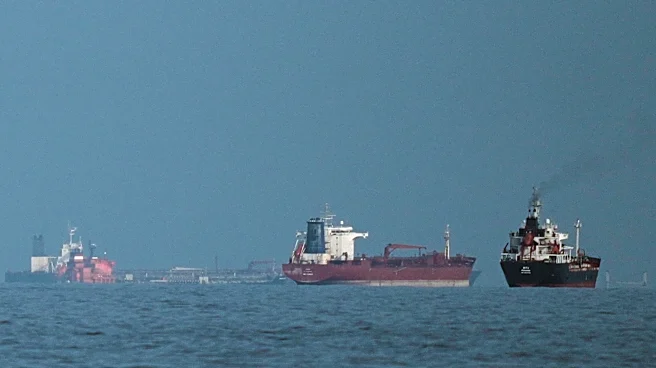
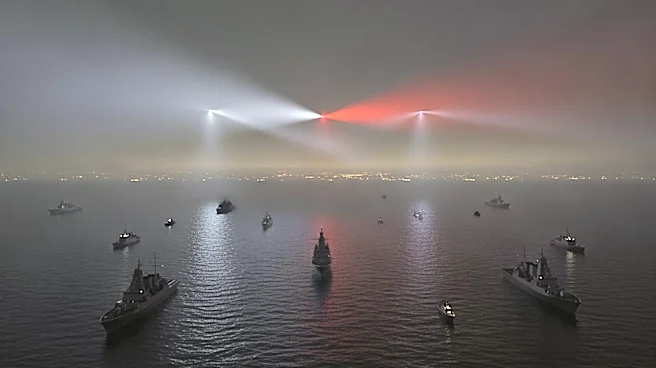
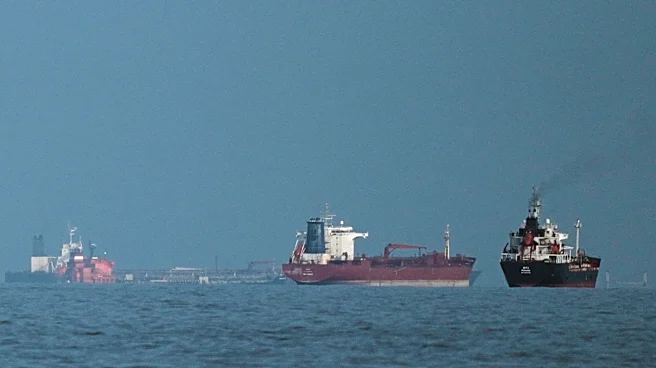
The United States and Israel are intensifying their military and economic pressure on Iran. U.S. naval forces have enforced a blockade on Iranian ports, with no vessels breaching the blockade in the first 48 hours, according to U.S. Central Command (CENTCOM).
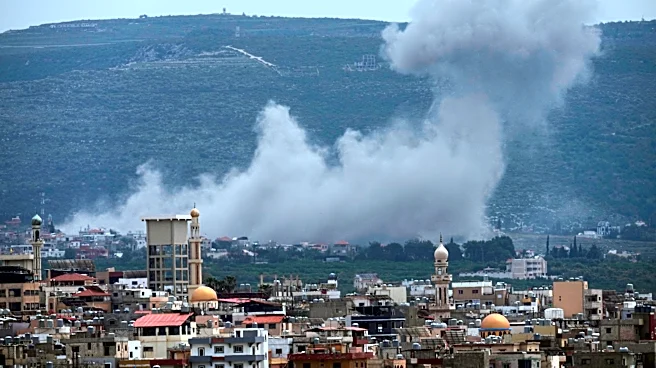
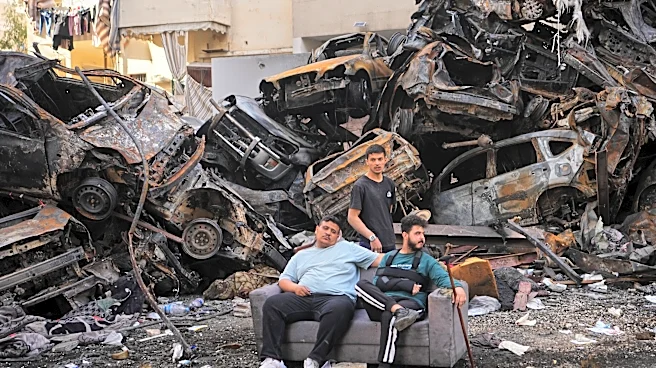
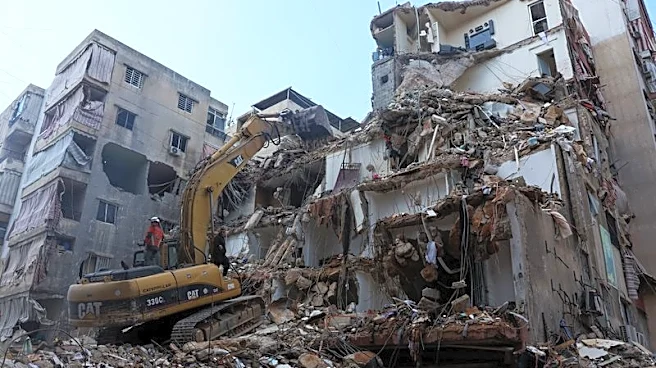
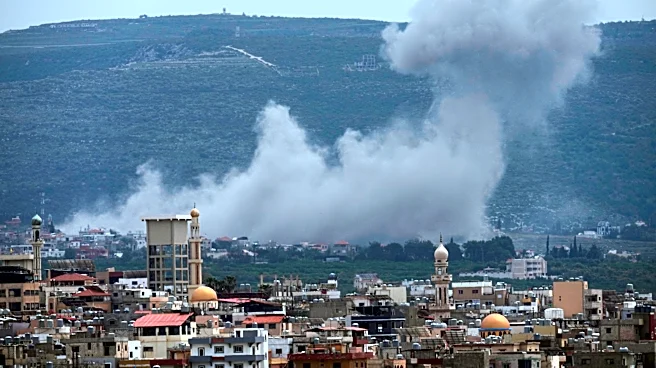
The U.S. has set preconditions for further negotiations, requiring Iran to reopen the Strait of Hormuz and ensure its negotiating delegation has full authority. Meanwhile, the U.S. Treasury has sanctioned 29 targets linked to Iranian oil smuggling. Concurrently, Israel continues its air campaign against Hezbollah in Lebanon, with over 200 targets struck in recent operations. The Israeli Security Cabinet is considering a ceasefire in Lebanon amid U.S. pressure.
Why It's Important?
The ongoing military and economic actions by the U.S. and Israel against Iran are significant due to their potential impact on regional stability and global oil markets. The blockade and sanctions aim to curb Iran's economic capabilities and influence, particularly its oil exports, which are crucial for its economy. The military actions in Lebanon against Hezbollah, an Iranian ally, further complicate the geopolitical landscape. These developments could lead to increased tensions in the Middle East, affecting global oil prices and international relations. The U.S. and Israel's coordinated efforts highlight their strategic partnership in countering Iranian influence.
What's Next?
The situation remains fluid, with potential for escalation or diplomatic resolution. The U.S. and Israel may continue their pressure tactics if Iran does not meet the preconditions for negotiations. The Israeli Security Cabinet's decision on a ceasefire in Lebanon could influence regional dynamics. Additionally, Iran's response to the blockade and sanctions, as well as its internal political dynamics, will be critical in shaping future developments. The international community, including countries like Pakistan, may play a role in mediating tensions and facilitating dialogue.