



What's Happening?
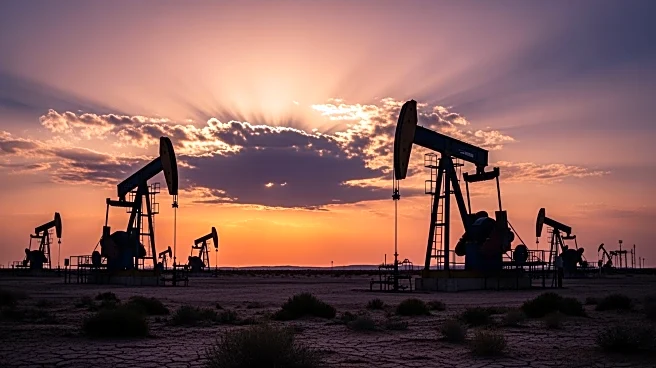
Syrian forces have taken control of the Omar oil field, the largest in the country, and the Conoco gas field in the eastern Deir Zor province. This move follows a series of clashes with the Kurdish-led Syrian Democratic Forces (SDF), which have been backed
by the United States. The Syrian government has announced a ceasefire agreement, which includes the integration of SDF forces into Syrian state institutions. This development comes after the SDF's strategic withdrawal east of the Euphrates River, following discussions with U.S. officials. The agreement also involves the formal recognition of Kurdish cultural rights, a significant step in Syrian-Kurdish relations.
Why It's Important?
The seizure of these oil fields represents a major shift in control and resources, significantly impacting the SDF, which has relied on these fields for revenue. The integration of SDF forces into Syrian state structures could lead to a more centralized and potentially stable governance model. This development may alter the geopolitical landscape, affecting U.S. influence in the region, as the SDF has been a key ally in countering the Islamic State. The recognition of Kurdish rights could also lead to improved relations between the Kurdish population and the Syrian government, potentially reducing ethnic tensions.
What's Next?
The focus will now be on the implementation of the ceasefire and integration agreement. Challenges may arise in merging the SDF into Syrian state institutions, given the historical animosities. The international community, particularly the U.S., will likely monitor the situation closely, as their strategic interests in the region are affected. The Syrian government's management of the newly acquired oil resources will be crucial for economic recovery. Ensuring the protection of Kurdish rights as outlined in the agreement will also be a key area of focus for human rights organizations.