
What's Happening?
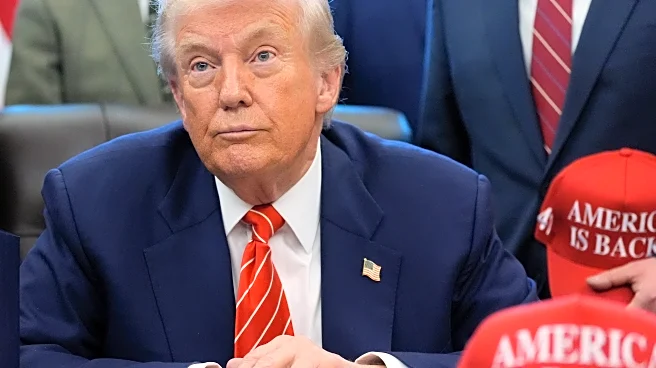
President Trump has announced the withdrawal of the United States from the United Nations Framework Convention on Climate Change (UNFCCC) and the Paris Agreement. This decision is part of a broader move
to suspend U.S. support for 66 international bodies, including those focused on climate change. The withdrawal is seen as an abandonment of efforts to combat climate change, as extreme weather events continue to cause significant economic damage in the U.S. The decision further isolates the U.S. from global climate diplomacy, potentially leaving the country without a voice in international negotiations aimed at reducing greenhouse gas emissions.
Why It's Important?
The U.S. withdrawal from the UNFCCC and Paris Agreement could have far-reaching consequences for both domestic and international climate policy. Domestically, it may lead to reduced regulatory oversight on greenhouse gas emissions and a shift in focus towards fossil fuel industries. Internationally, the U.S. risks losing its influence in shaping global climate policy and may miss out on economic opportunities associated with the transition to a green economy. The decision could also strain diplomatic relations with countries committed to addressing climate change, potentially affecting trade and cooperation in other areas.
What's Next?
The U.S. will officially exit the Paris Agreement in January 2027, completing a process that began in 2025. This withdrawal could lead to legal challenges regarding the President's authority to exit international treaties without congressional approval. Future administrations may face difficulties in rejoining these agreements, as it would require a two-thirds vote in the Senate. The international community is expected to continue its efforts to combat climate change, potentially leaving the U.S. behind in technological and economic advancements in the green sector. The decision may also prompt increased activism and legal action from environmental groups within the U.S.
Beyond the Headlines
The withdrawal raises questions about the U.S.'s commitment to global environmental leadership and the ethical implications of prioritizing national interests over international cooperation. It highlights the challenges of balancing economic growth with environmental sustainability and the potential long-term impacts on public health and climate resilience. The decision may also influence domestic political dynamics, as it could become a focal point in future elections and policy debates. The move underscores the importance of international collaboration in addressing global challenges like climate change and the potential consequences of isolationist policies.