




What's Happening?
Governor Greg Gianforte has completed his sixth annual 56 County Tour across Montana, an initiative that involves visiting all 56 counties in the state. This year's tour concluded with engagements in Broadwater and Lewis and Clark counties. In Broadwater County,
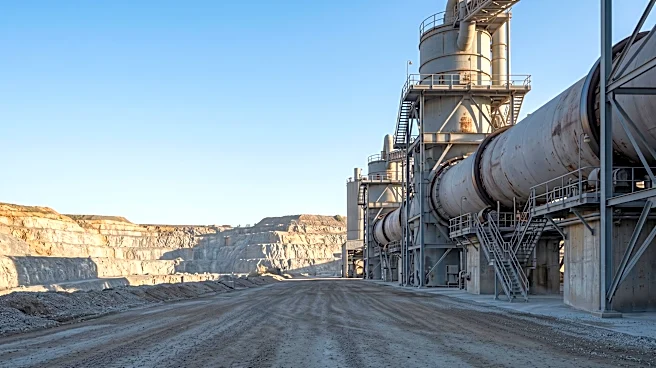
Governor Gianforte met with local businesses at the Graymont Limestone Mine in Townsend, which is the largest employer in the county, employing 75 people and producing lime for various industries. In Lewis and Clark County, he joined Montana Fish, Wildlife & Parks Director Christy Clark to tour the new Montana WILD Avian Walkway in Helena. This facility will house permanently injured ambassador raptors and is expected to host over 10,000 public visitors and 8,000 students annually for conservation education programs focused on birds of prey. This marks Governor Gianforte's tenth time visiting every county since taking public office, emphasizing direct engagement with Montanans to understand their priorities.
Why It's Important?
The annual 56 County Tour is a significant effort by Governor Gianforte to maintain direct communication with constituents and local businesses across Montana. This direct engagement allows the governor to gather firsthand insights into the challenges and opportunities facing diverse communities, from rural agricultural areas to industrial centers. For businesses like the Graymont Limestone Mine, a visit from the governor can highlight their economic contributions and potentially influence state policies that support local industries and supply chains. The tour also underscores the state's commitment to conservation and education, as demonstrated by the visit to the Montana WILD Avian Walkway. This facility not only provides a home for injured wildlife but also serves as a vital educational resource, fostering environmental awareness and appreciation among Montanans, particularly students. Such initiatives can strengthen community ties, inform policy-making, and promote both economic development and environmental stewardship within the state.
What's Next?
Following the conclusion of his sixth annual 56 County Tour, Governor Gianforte is expected to use the insights gained from his interactions with Montanans to inform his administration's policy agenda. The direct feedback from small business owners, farmers, ranchers, and community partners will likely shape future legislative proposals and executive actions aimed at addressing local priorities. For the Graymont Limestone Mine, continued state recognition could lead to sustained support for the mining industry in Montana, potentially impacting regulations or infrastructure projects. The Montana WILD Avian Walkway, now officially toured by the governor, will likely see increased public and educational engagement, with officials from Fish, Wildlife & Parks continuing to expand their conservation education programs. The governor's commitment to visiting all counties annually suggests that this direct engagement model will persist, ensuring ongoing dialogue between the state government and its diverse communities.
Beyond the Headlines
Governor Gianforte's consistent engagement through the 56 County Tour highlights a broader trend in state-level governance: the emphasis on localized, grassroots interaction to inform policy. This approach moves beyond traditional legislative processes by directly connecting state leadership with the daily realities of its citizens and local economies. The tour's focus on both industrial sites, like the Graymont Limestone Mine, and educational/conservation facilities, such as the Montana WILD Avian Walkway, reflects a balanced view of state development that encompasses economic growth, environmental responsibility, and community well-being. This direct interaction can foster a sense of governmental responsiveness and accountability, potentially mitigating political polarization by building trust at the local level. Furthermore, the educational component of the tour, particularly the emphasis on wildlife conservation, underscores the long-term cultural and ecological values that Montana seeks to uphold, influencing future generations' understanding of their natural heritage and civic responsibilities.