



What's Happening?
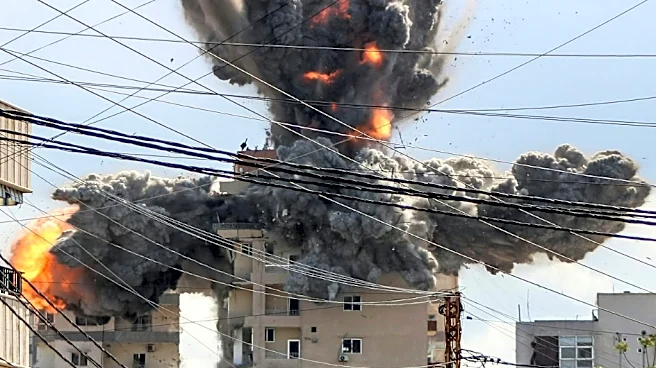
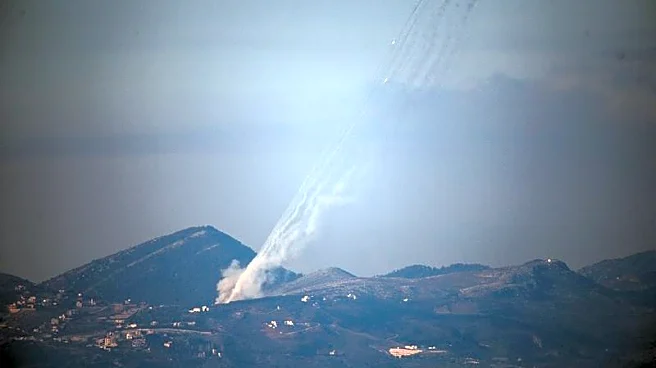
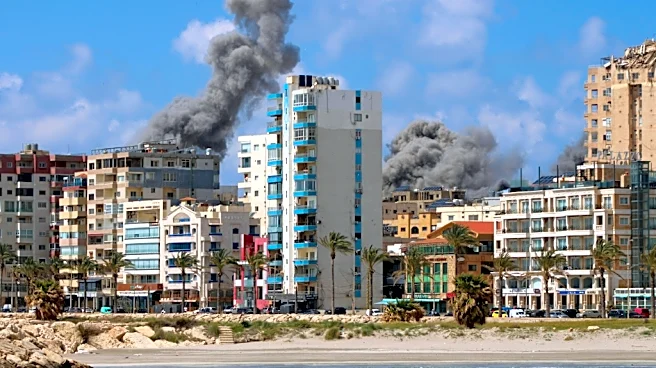
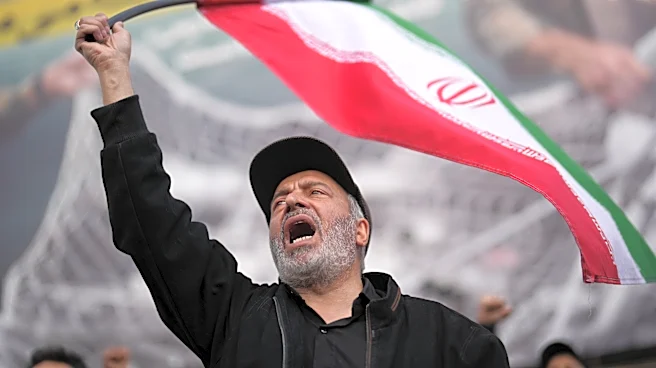
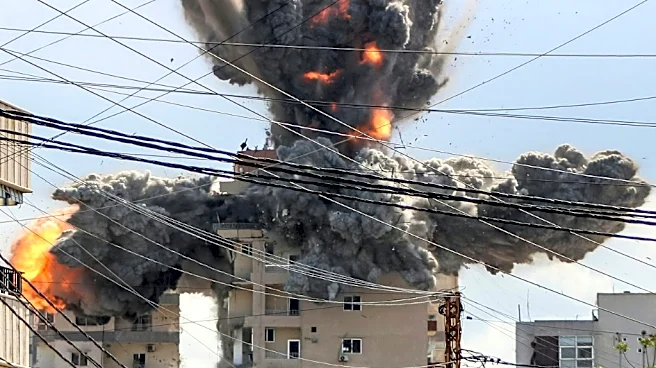
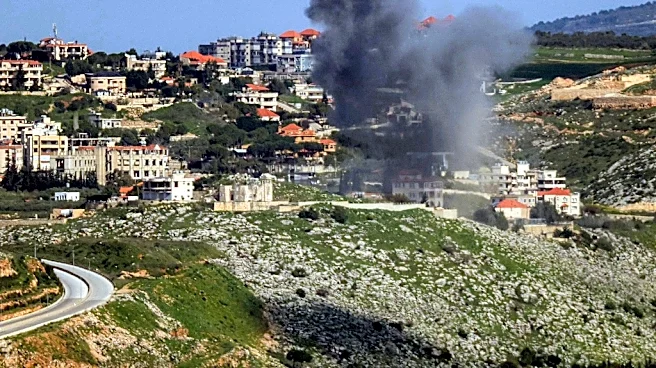
Israeli forces have conducted airstrikes on central Beirut, Lebanon, despite a ceasefire announcement in the ongoing conflict between the U.S.-Israeli alliance and Iran. The Israeli government has stated that the ceasefire does not apply to its operations
against Hezbollah, an Iranian-backed group. This strike is reported to be the largest coordinated attack in the conflict so far. The airstrikes have resulted in significant destruction and casualties, with rescue workers and first responders actively engaged in relief efforts. The situation remains tense as Hezbollah has not agreed to the ceasefire, and the potential for further escalation persists.
Why It's Important?
The airstrikes in Beirut highlight the complexities and regional implications of the conflict involving Israel, Iran, and Hezbollah. The exclusion of Hezbollah from the ceasefire agreement underscores the ongoing tensions and the potential for further military engagements. This development could affect diplomatic relations and stability in the Middle East, with broader implications for international peace efforts. The humanitarian impact is significant, as civilian areas are affected, leading to casualties and displacement. The situation demands attention from global leaders and organizations to address the escalating violence and its consequences.
What's Next?
The continuation of military operations by Israel against Hezbollah suggests that the conflict may intensify, potentially drawing in more regional actors. Diplomatic efforts may be required to extend the ceasefire to include Hezbollah and prevent further escalation. International stakeholders, including the United Nations and neighboring countries, may need to intervene to mediate and facilitate peace talks. The humanitarian crisis resulting from the airstrikes will likely require increased aid and support from international relief organizations.
Beyond the Headlines
The exclusion of Hezbollah from the ceasefire agreement raises questions about the effectiveness of diplomatic negotiations in the region. The ongoing conflict may lead to shifts in alliances and power dynamics, affecting long-term geopolitical stability. The humanitarian impact of the airstrikes could lead to increased scrutiny of military tactics and calls for accountability. The situation also highlights the challenges of achieving comprehensive peace agreements in complex regional conflicts.