




What's Happening?
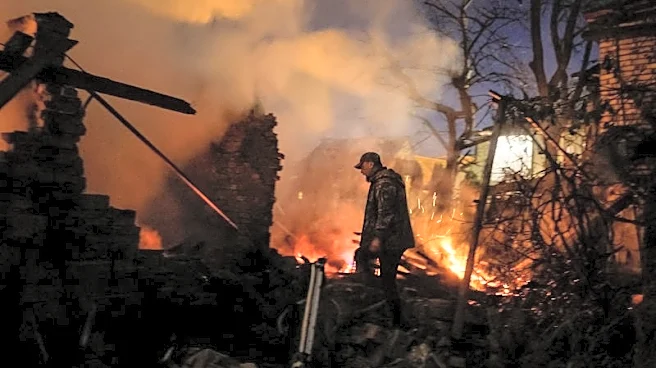
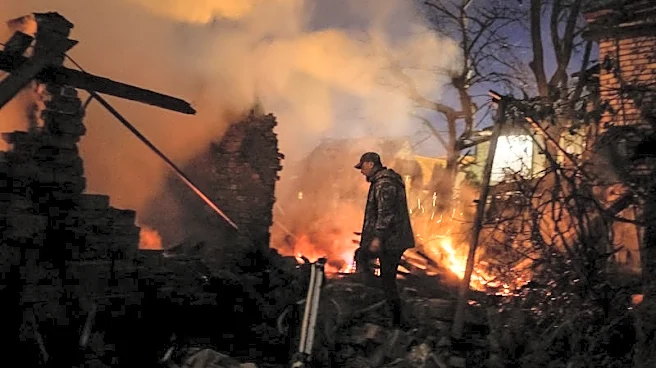
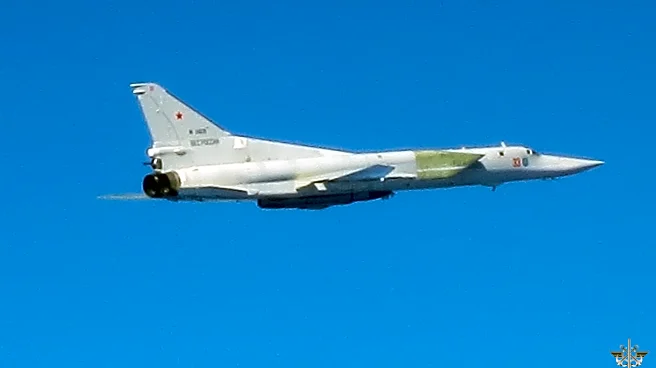
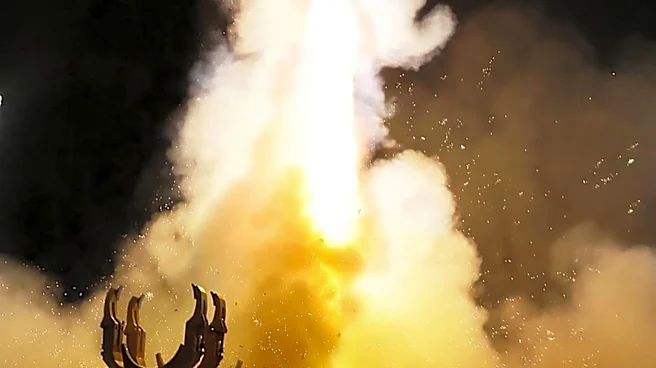
Poland is implementing new, simplified procedures for detecting and shooting down foreign objects in its airspace, effective October 1. This change is a direct response to ongoing Russian airstrikes in Ukraine, which have led to a regular risk of airspace violations
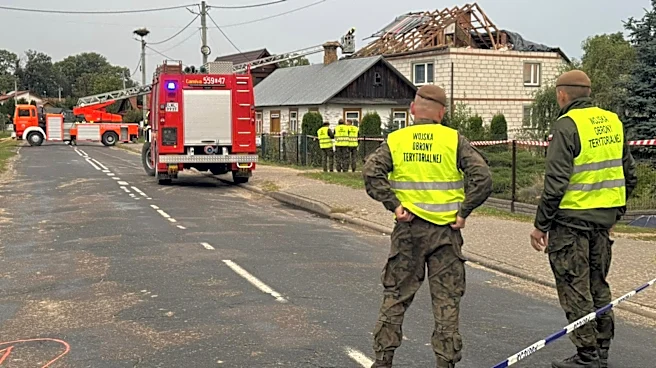
near the Polish border. Poland's Minister of National Defense, Władysław Kosiniak-Kamysz, announced the full readiness of these updated military procedures. The key modification involves replacing the peacetime requirement for visual identification of an object before it can be engaged with a 'positive identification' system. This new approach allows pilots or their commanders to decide to shoot down a foreign object based on radar data, other system information, or intelligence provided by Ukraine, which frequently faces Russian drone and missile attacks. The changes are being implemented at the military level and do not require legislative amendments.
Why It's Important?
This procedural shift by Poland underscores the heightened security concerns among NATO member states bordering Ukraine, particularly regarding the potential for spillover from the conflict. The abandonment of visual identification for potential threats reflects a recognition of the evolving nature of aerial warfare, where fast-moving drones and missiles necessitate quicker response times. This move could set a precedent for other frontline NATO countries to adapt their air defense protocols, potentially leading to a more unified and agile response to airspace incursions. For the U.S., a key NATO ally, this development highlights the ongoing need for military cooperation and intelligence sharing to bolster regional security. It also signals a more assertive stance by Poland in protecting its sovereignty, which could influence broader NATO defense strategies in Eastern Europe. The increased readiness to engage unidentified aerial objects could prevent accidental or intentional incursions from escalating into larger conflicts.
What's Next?
The new procedures will be fully operational from October 1. Polish pilots and air defense personnel will operate under these updated guidelines, allowing for more rapid decision-making in response to potential airspace threats. It is anticipated that there will be increased vigilance along Poland's eastern border, with a focus on integrating intelligence from Ukrainian sources. Other NATO members may observe Poland's implementation of these procedures to assess their effectiveness and consider similar adaptations for their own air defense systems. The U.S. and other allies will likely continue to provide support and intelligence to Poland, reinforcing collective security efforts in the region. The long-term implications could include further integration of air defense systems across NATO's eastern flank and a re-evaluation of engagement rules for unidentified aerial objects in contested airspaces.
Beyond the Headlines
The shift from visual to positive identification represents a significant doctrinal change, moving away from traditional peacetime engagement rules. This reflects a recognition that the current geopolitical climate, characterized by advanced drone and missile technology, demands a more proactive and less constrained response to potential threats. The ethical and legal implications of engaging unidentified objects without visual confirmation are complex, particularly concerning the risk of misidentification. However, the Polish government's decision prioritizes national security in a volatile environment. This development also highlights the increasing reliance on advanced surveillance and intelligence systems in modern warfare, where real-time data analysis can be critical for defensive actions. The move could also be seen as a deterrent, signaling to potential adversaries that Poland is prepared to defend its airspace decisively, even in ambiguous situations.