






What's Happening?
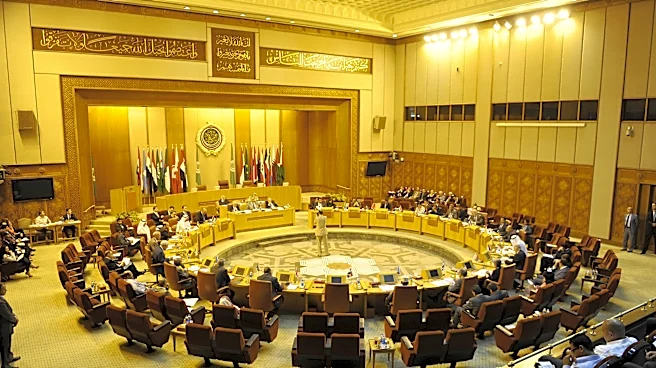
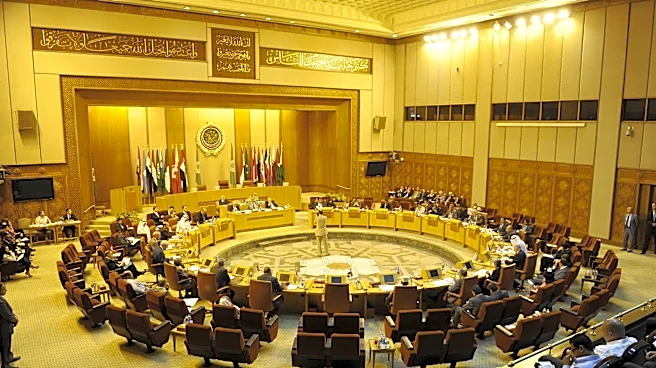
The Aqaba Process, an informal and agile security initiative launched in 2015 by King Abdullah II of Jordan, has become a significant framework for global counter-terrorism efforts. Unlike traditional international summits, this process prioritizes flexible,
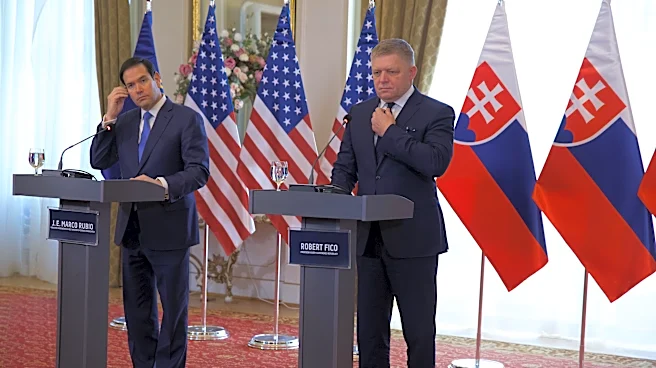
action-oriented platforms, bringing together military leaders, intelligence directors, civilian policymakers, and tech experts in low-profile, high-trust environments. It integrates operational intelligence sharing with civil society engagement, digital monitoring, and targeted socioeconomic interventions. The initiative has expanded beyond its origins in Jordan, with over 30 to 40 nations and major international bodies regularly participating in its localized summits and working groups. Participants include countries from Central Asia, the Middle East & North Africa, Sub-Saharan Africa, Europe & the Americas (including the United States), and multilateral bodies like NATO and the United Nations. The process aims to bypass bureaucratic hurdles and foster direct communication between intelligence heads to shorten response times for tracking active threats and cross-border financial pipelines.
Why It's Important?
The Aqaba Process is important because it offers a pragmatic and adaptable model for addressing complex and fast-moving security threats in an interconnected world, particularly in the realm of counter-terrorism. By fostering candid discussions and direct communication among diverse stakeholders, it circumvents the geopolitical friction and bureaucratic inefficiencies often associated with more formal alliances. Its focus on integrating intelligence sharing with digital monitoring and socioeconomic interventions reflects a comprehensive understanding of modern terrorism. For the U.S. and its allies, participation in the Aqaba Process provides a crucial avenue for intelligence collaboration and strategic alignment with a broad range of global partners, including those from the Global South. This informal network allows for quicker responses to emerging threats, such as the misuse of artificial intelligence by extremist groups, and facilitates targeted regional security tracks, enhancing global security without the constraints of legally binding agreements.
What's Next?
The future of the Aqaba Process will likely involve continued expansion of its network and adaptation to new forms of terrorism and extremism. Its reliance on voluntary cooperation means its long-term momentum will heavily depend on sustained political will from participating nations. The initiative is expected to further integrate digital and counter-messaging strategies, aligning intelligence agencies with major tech companies to track radicalization and remove extremist content. As global threats evolve, the process will continue to convene specialized technical working groups to address specific operational challenges, such as tracking foreign fighter returnees or disrupting illicit trade. While its quiet, low-profile nature makes independent evaluation challenging, its demonstrated ability to foster direct communication and nimble coordination suggests it will remain a vital, albeit informal, component of the global counter-terrorism architecture, providing a flexible platform for international security cooperation.
Beyond the Headlines
The Aqaba Process represents a significant shift in international security cooperation, moving away from rigid, treaty-based frameworks towards more agile, trust-based networks. This evolution highlights the limitations of traditional diplomatic structures in addressing transnational threats that require rapid and flexible responses. The process's emphasis on direct interpersonal communication among intelligence and military leaders underscores the critical role of human relationships and trust in effective counter-terrorism. Furthermore, its success as a Global South initiative anchored in the Middle East demonstrates the potential for non-Western-led frameworks to effectively address global security challenges, offering a model that bypasses some of the geopolitical baggage of Western-led alliances. This approach could inspire similar informal networks in other areas of international cooperation, fostering more efficient and responsive global governance in an increasingly complex world.