


What's Happening?
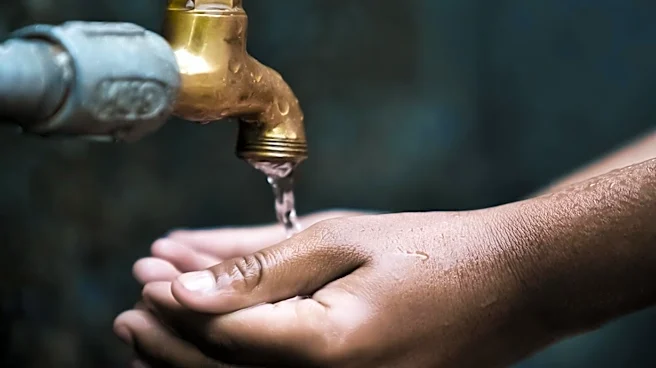
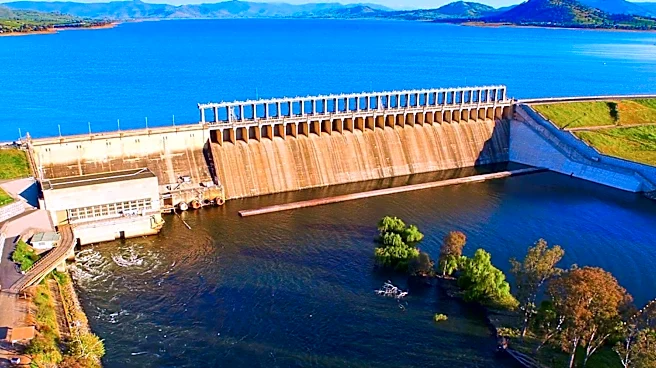
Governor Sarah Huckabee Sanders has announced an allocation of more than $261 million in financial assistance for 75 water and wastewater projects across Arkansas. This significant investment aims to serve over 740,000 Arkansans by upgrading critical
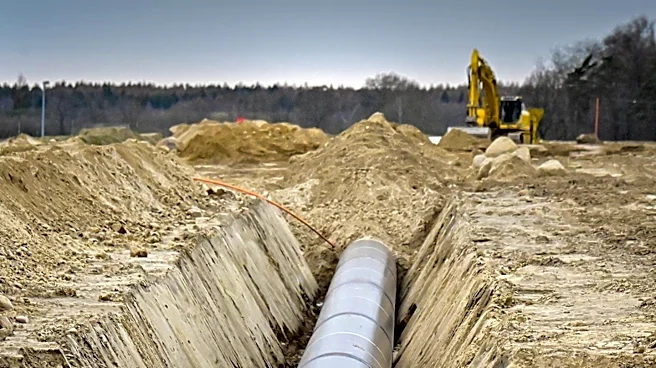
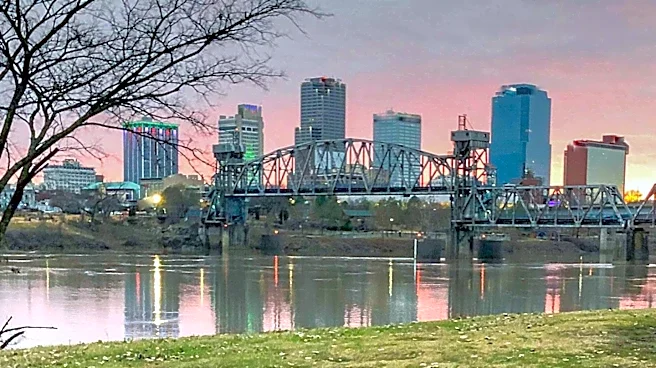
water infrastructure, protecting natural resources, and ensuring access to high-quality drinking water. The funding, approved by the Arkansas Natural Resources Commission, is distributed through various programs, including the Clean Water State Revolving Fund ($110,510,250), the Drinking Water State Revolving Fund ($63,545,300), the Emerging Contaminants and Small and Disadvantaged Communities Grant Program ($37,350,200), the Water and Sewer Treatment Facilities Grant Program ($30,000,000), and State Programs ($19,597,660). Projects range from wastewater treatment facility improvements in Ash Flat and Batesville to smart meter replacements in Mulberry and water storage tank construction in Poyen. Other initiatives include water line rehabilitation in Little Rock, chemical feed system installation in Brinkley, and water treatment plant construction in Burdette.
Why It's Important?
This substantial investment in water infrastructure is crucial for the health, safety, and economic well-being of Arkansas communities. Many water systems across the state are in need of significant upgrades, and this funding directly addresses those deficiencies. By improving service capacity and ensuring dependable water resources, the projects will support both families and businesses, fostering community growth and resilience. Arkansas Secretary of Agriculture Wes Ward emphasized that these funds are critical for addressing aging infrastructure and improving service capacity. The Director of the Department of Agriculture’s Natural Resources Division, Chris Colclasure, highlighted that these investments strengthen the foundation of communities and the economy by helping local systems meet current demands and prepare for future growth, enhancing the reliability of drinking water, wastewater, and irrigation services.
What's Next?
The announced funding will be disbursed to 75 specific projects across Arkansas, with immediate next steps involving the implementation of these upgrades. Communities like Mulberry, Poyen, and Rector will proceed with projects such as smart meter replacements, water storage tank construction, and overall water system improvements. Larger projects, such as wastewater treatment plant aeration improvements in Batesville and regionalization efforts in Brinkley, will also move forward. The continued focus will be on monitoring the progress of these projects to ensure they meet their objectives of enhancing water quality and infrastructure reliability. The state government, through the Arkansas Natural Resources Commission, will likely oversee the execution of these projects, ensuring accountability and efficient use of funds to benefit the targeted populations.
Beyond the Headlines
Beyond the immediate infrastructure improvements, this initiative reflects a broader commitment to public health and environmental stewardship in Arkansas. Investing in water and wastewater systems is fundamental to preventing waterborne diseases, protecting natural ecosystems from pollution, and ensuring sustainable development. The inclusion of funds for emerging contaminants also indicates a proactive approach to addressing new challenges in water quality. This long-term vision for water management can lead to increased property values, attract new businesses, and improve the overall quality of life for residents. Furthermore, the regionalization projects, such as those involving Brinkley and Wheatley, demonstrate an effort to create more efficient and resilient water systems through collaborative approaches among communities.