



What's Happening?
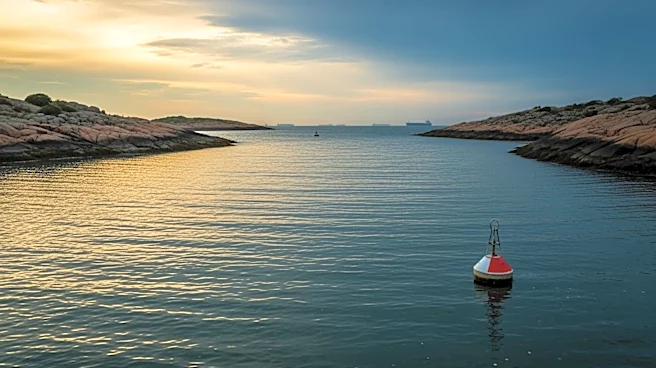
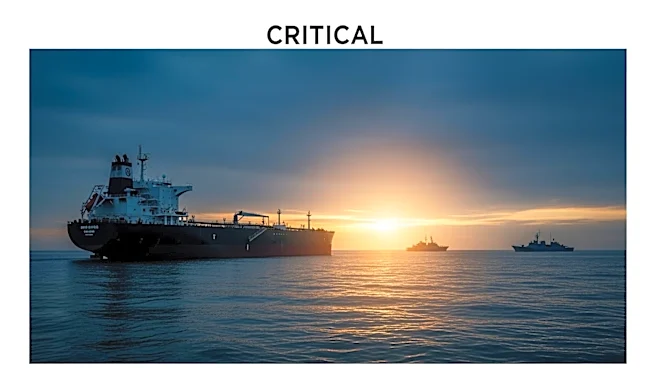
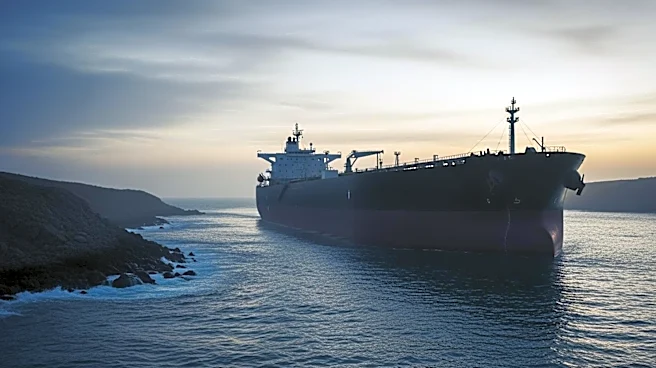
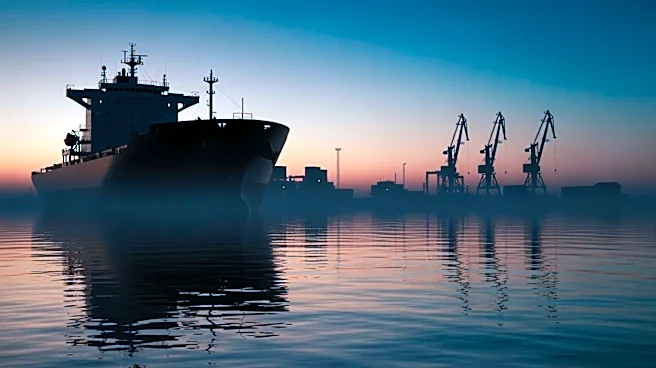
The United States is reportedly preparing to seize oil tankers and commercial ships linked to Iran worldwide, escalating its pressure campaign against Tehran. This move comes as Iran asserts control over the Strait of Hormuz, a critical maritime passage,
and has attacked multiple commercial vessels. The US military's planned actions aim to extend the crackdown on Iran beyond the Middle East, potentially affecting global shipping routes. This development follows Iran's foreign minister's statement that the strait remains open, a claim welcomed by President Trump.
Why It's Important?
The US's decision to intercept Iranian-linked vessels could significantly impact global oil markets and maritime security. The Strait of Hormuz is a vital chokepoint for oil transportation, and any disruption could lead to increased oil prices and heightened geopolitical tensions. This aggressive stance underscores the US's commitment to countering Iranian influence and securing international shipping lanes. The move may also strain diplomatic relations and provoke retaliatory measures from Iran, affecting regional stability.
What's Next?
The US's actions may lead to increased military presence in strategic waterways, potentially involving allied nations in joint operations. Iran's response to these seizures could escalate tensions further, prompting international calls for diplomatic resolution. Monitoring of maritime activities will likely intensify, with potential impacts on global trade and energy supplies. Stakeholders, including oil companies and shipping firms, will need to assess risks and adjust strategies accordingly.