





What's Happening?
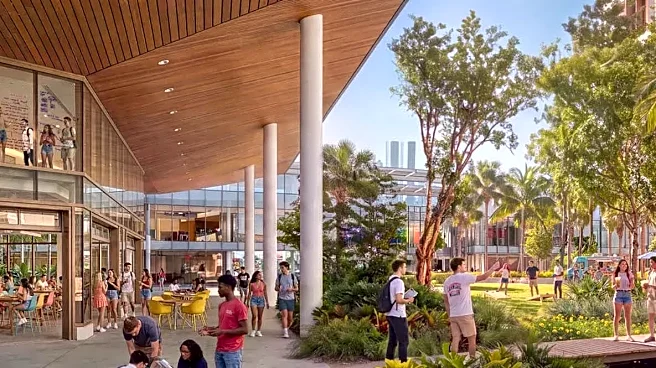
The Hazelwood neighborhood in Pittsburgh has undergone significant redevelopment, particularly with the Hazelwood Green riverfront project, without exhibiting the typical indicators of gentrification-induced displacement. Researchers found that residential
stability remained high, and the risk of displacement was lower compared to other similar neighborhoods. Unlike typical gentrification scenarios, Hazelwood did not experience an influx of new residents, a significant rise in resident income profiles, or a transition from predominantly minority to predominantly white populations. The share of nonwhite residents actually increased from 48% in 2010 to 55% in 2022. This outcome is attributed to substantial investments by the Heinz Endowments, totaling $24 million since 2012, which supported housing production and preservation, including home repairs, rehabilitation of rentals, and acquisition of vacant land. Despite these positive findings, persistent poverty and fears of displacement remain among residents, fueled by gentrification observed in other Pittsburgh neighborhoods.
Why It's Important?
The Hazelwood case offers a significant counter-narrative to the common understanding of urban redevelopment, suggesting that neighborhood investment can occur without leading to widespread displacement. This is crucial for U.S. cities grappling with how to revitalize areas while preserving existing communities. The success in Hazelwood highlights the potential effectiveness of targeted, community-focused investments in housing and local support systems. It demonstrates that philanthropic and strategic funding can play a vital role in mitigating the negative consequences often associated with large-scale development projects. This model provides valuable insights for policymakers and community leaders seeking to implement equitable urban development strategies, emphasizing the importance of proactive measures to protect vulnerable residents and maintain neighborhood diversity.
What's Next?
The Hazelwood model could serve as a blueprint for future urban redevelopment projects across the U.S., encouraging a more integrated approach that prioritizes community stability alongside economic growth. Policymakers may explore similar funding mechanisms and community engagement strategies to replicate Hazelwood's success in preventing displacement. Continued monitoring of Hazelwood's housing market and demographic trends will be essential to assess the long-term sustainability of this approach, especially as home prices continue to rise. Addressing the persistent fears of displacement and poverty will require ongoing efforts, potentially including further investments in affordable housing and economic opportunities for existing residents. The challenge remains to ensure that the benefits of redevelopment are broadly shared and that community voices are central to planning processes.
Beyond the Headlines
The Hazelwood experience delves into the deeper question of how to achieve 'development without displacement,' a long-standing goal in urban planning. It challenges the notion that gentrification is an inevitable consequence of urban investment. The continued presence of displacement fears, despite objective data showing stability, highlights the psychological and social impact of gentrification narratives and experiences from other areas. This suggests that trust-building and transparent communication are as crucial as economic interventions in fostering a sense of security within a community. The case also underscores the importance of defining and measuring gentrification accurately, as different metrics can lead to varying conclusions about a neighborhood's trajectory. Ultimately, Hazelwood's story offers hope that thoughtful, community-centered development can create vibrant, inclusive urban spaces, but it also reminds us that the fight against poverty and the fear of displacement are ongoing battles.