





What's Happening?
Frank Elderson, a member of the European Central Bank's executive board, has highlighted the growing threat of the climate crisis to global financial stability. The ECB is increasing its monitoring of financial risks linked to the destruction of ecosystem
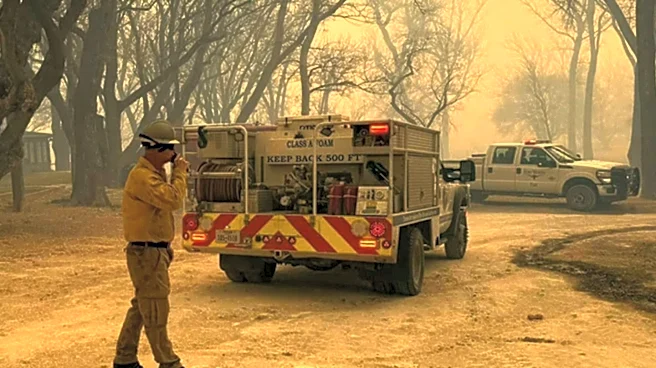
services, which are essential for supporting human activity. Elderson emphasized that the rising frequency of natural disasters, such as wildfires in Europe, poses significant risks to financial systems. The ECB plans to publish analysis on how ecosystem degradation could impact credit loss dynamics for eurozone banks.
Why It's Important?
The climate crisis poses a significant threat to financial stability, as it can lead to economic disruptions and increased credit risks. The ECB's focus on ecosystem services highlights the interconnectedness of environmental health and economic stability. As natural disasters become more frequent, financial institutions must assess and mitigate these risks to ensure long-term stability. This development underscores the need for global cooperation and proactive measures to address climate-related financial risks, which could have far-reaching implications for economies worldwide.
What's Next?
The ECB's upcoming analysis on ecosystem degradation and its impact on financial systems will provide valuable insights for policymakers and financial institutions. This analysis could lead to the development of new strategies and regulations to mitigate climate-related risks. As awareness of these risks grows, financial institutions may increase their investments in sustainable practices and technologies. The ECB's efforts could also influence other central banks and financial regulators to prioritize climate risk management, fostering a more resilient global financial system.