







What's Happening?
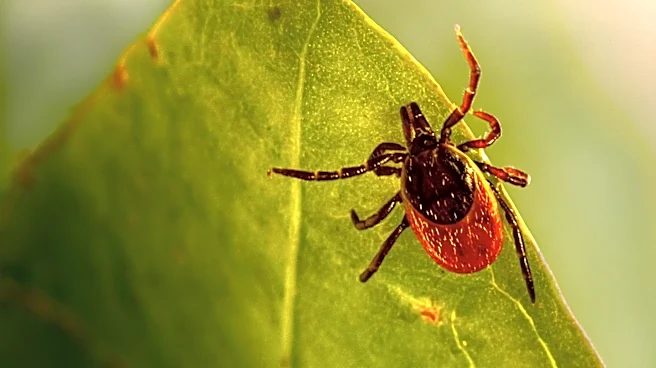
Ticks, small blood-feeding parasites, are active year-round in various habitats across the U.S., with the lone star tick being particularly prevalent in Alabama. These parasites can transmit a range of diseases, including alpha-gal syndrome, Rocky Mountain
spotted fever, ehrlichiosis, Powassan, anaplasmosis, babesiosis, tularemia, and Lyme disease. Reports indicate an increase in emergency room visits for tick bites, with some areas experiencing a significant surge in tick populations. The expansion of tick ranges is linked to a warming climate, as ticks are cold-blooded and their physiological processes are dependent on ambient temperatures. As temperatures rise, ticks emerge from torpor to seek blood meals necessary for growth and reproduction. Prevention strategies emphasize avoiding tick habitats, wearing protective clothing, using repellents, and thoroughly inspecting oneself, family, and pets after outdoor activities. Prompt and correct tick removal is crucial to reduce the risk of disease transmission.
Why It's Important?
The increasing prevalence and range expansion of ticks, driven by climate change, pose a significant public health concern across the U.S. The spread of tick-borne diseases can lead to severe health complications, impacting individuals' quality of life and placing a burden on healthcare systems. Alpha-gal syndrome, for instance, can cause a severe red-meat allergy, while Lyme disease and ehrlichiosis present flu-like symptoms that can be debilitating. The economic impact includes healthcare costs, lost productivity due to illness, and potential changes in outdoor recreational activities. The need for public awareness and effective prevention methods is critical to mitigate these risks. Understanding the link between climate patterns and tick activity is essential for developing long-term public health strategies and protecting vulnerable populations, such as children and seniors, who are more susceptible to certain tick-borne illnesses.
What's Next?
Public health initiatives will likely focus on enhanced surveillance of tick populations and the diseases they carry, particularly in regions experiencing range expansion. Educational campaigns will continue to emphasize personal protection measures, such as proper clothing, repellent use, and thorough tick checks. Research into more effective tick control methods and improved diagnostics for tick-borne illnesses is expected to advance. Healthcare providers will need to remain vigilant in diagnosing and treating these conditions, especially as new areas become affected. Individuals are advised to continue practicing the 'AIRI' method: Avoid ticks, Inspect thoroughly, Remove promptly, and Identify the tick if possible for testing. This proactive approach is vital for minimizing the health risks associated with increased tick activity.
Beyond the Headlines
The expansion of tick ranges and the associated increase in tick-borne illnesses highlight a broader ecological shift influenced by climate change. This phenomenon underscores the interconnectedness of environmental health and human well-being. The long-term implications could include changes in land use, as communities adapt to higher tick exposure risks, and a greater emphasis on ecological studies to understand and predict vector-borne disease patterns. The challenge extends beyond individual prevention to systemic approaches, including urban planning that considers natural habitats and public health policies that integrate climate data. The potential for new or re-emerging diseases transmitted by ticks also necessitates ongoing scientific research and public health preparedness to address evolving threats.