




What's Happening?
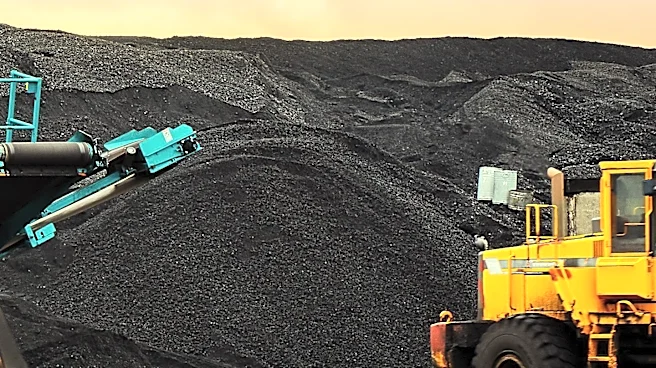
Major Chinese energy companies are intensifying efforts to secure winter energy supplies as cold fronts sweep across northern China and heating services commence. China State Railway Group is boosting coal shipments from key producing regions, having
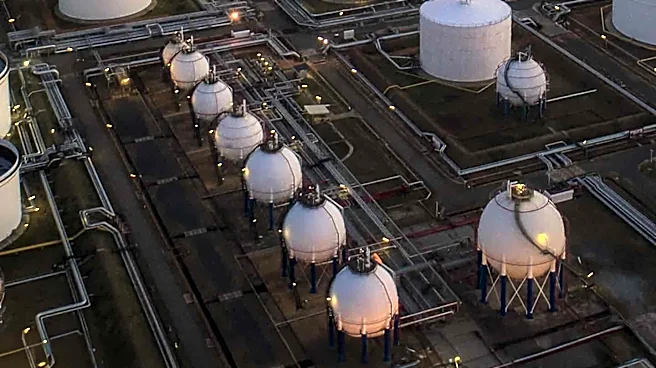
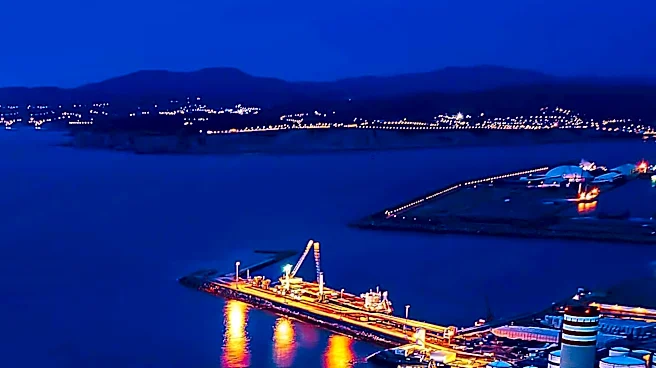
transported 1.75 billion tons of coal in the first ten months of 2026, with 1.16 billion tons being thermal coal. This has maintained healthy coal stock levels at directly supplied power plants. Concurrently, China Oil & Gas Pipeline Network Corp (PipeChina) has advanced its "summer-winter integrated" storage mechanism, completing injection tasks at three gas storage facilities and exceeding 1.05 billion cubic meters (bcm) in liquefied natural gas (LNG) terminal tank inventories. The national gas network's daily peak-shaving capacity has increased to 1.2 bcm, a 30 million cubic meter rise from the previous year, designed to meet surging winter demand. A significant development is the full-line construction completion of the Hulin-Changchun natural gas pipeline, a national key project, which is now entering its commissioning phase. Once operational, this pipeline will transport up to 10 bcm of gas annually, connecting with the "north-to-south" gas corridor and northeast pipeline networks to bolster eastern China's supply security. PipeChina is also increasing domestic gas field output and expanding international LNG sourcing to balance the system. Additionally, China Datang Corp's coal-to-natural-gas project in Fuxin launched its first production line, feeding 3 million cubic meters per day into the national network, complemented by a new injection project at Changqing oilfield adding over 10 million cubic meters daily.
Why It's Important?
These actions by China's energy sector are crucial for ensuring energy stability and preventing potential shortages during the critical winter heating season. The completion of projects like the Hulin-Changchun natural gas pipeline signifies a strategic enhancement of China's energy infrastructure, aiming to improve supply security and reduce regional vulnerabilities. By increasing domestic production, expanding LNG sourcing, and boosting storage capacities, China is building a more resilient energy system. This proactive approach helps mitigate the risks of energy price volatility and supply disruptions, which could otherwise have significant economic and social repercussions. A stable energy supply is fundamental for industrial operations, residential heating, and overall economic growth, particularly in a country with high energy demands. The emphasis on multi-source coordination and storage upgrades reflects a broader national strategy to manage energy resources effectively and sustainably, impacting global energy markets by potentially influencing demand for international LNG and other energy commodities.
What's Next?
The Hulin-Changchun natural gas pipeline is set to enter its commissioning phase, with full operation expected to significantly enhance eastern China's gas supply security. China will continue to monitor and manage its energy reserves and distribution networks throughout the winter heating season, leveraging its increased peak-shaving capacity and diversified supply sources. Analysts, such as Lin Boqiang, director of the China Center for Energy Economics Research at Xiamen University, anticipate an ample power supply this year, given the current supply and demand dynamics, and foresee a minimal risk of large-scale energy shortages. The ongoing integration of more clean energy production is also expected to contribute to the energy system's long-term sustainability. The focus will remain on optimizing the coordination between various energy sources and storage facilities to meet demand efficiently and reliably.
Beyond the Headlines
The strategic investments in pipeline infrastructure and energy storage highlight China's long-term commitment to energy independence and security. This move also reflects a broader global trend where nations are increasingly prioritizing domestic energy resilience amidst geopolitical uncertainties and fluctuating international energy markets. The integration of coal-to-natural-gas projects and the expansion of LNG sourcing demonstrate a multifaceted approach to energy supply, balancing traditional and cleaner energy sources. While ensuring immediate winter heating, these developments also lay the groundwork for a more robust and adaptable energy framework that can support China's economic ambitions and environmental goals. The enhanced infrastructure could also influence regional energy dynamics, potentially reducing reliance on specific international suppliers and strengthening China's position in global energy trade.