






What's Happening?
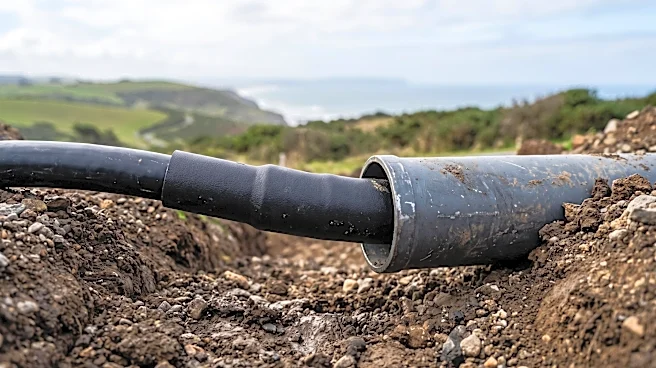
Pacific Gas and Electric Co. (PG&E) has proposed a plan to move nearly 300 miles of power lines underground in the Monterey Bay area by 2037, including 157 miles in Santa Cruz County and 139 miles in Monterey County. This initiative is part of a larger
statewide effort to underground approximately 5,000 miles of power lines between 2028 and 2037. Since 2021, PG&E has already undergrounded nearly 10 miles of power lines and completed system hardening work across 41 miles in Santa Cruz County. The company aims to reduce ignition risk, improve reliability, and achieve significant savings in maintenance, operations, and vegetation management costs. This 10-year Electrical Undergrounding Plan has been filed with the state Office of Energy Infrastructure Safety and, if approved, will then require an application to the California Public Utilities Commission for conditional cost approval.
Why It's Important?
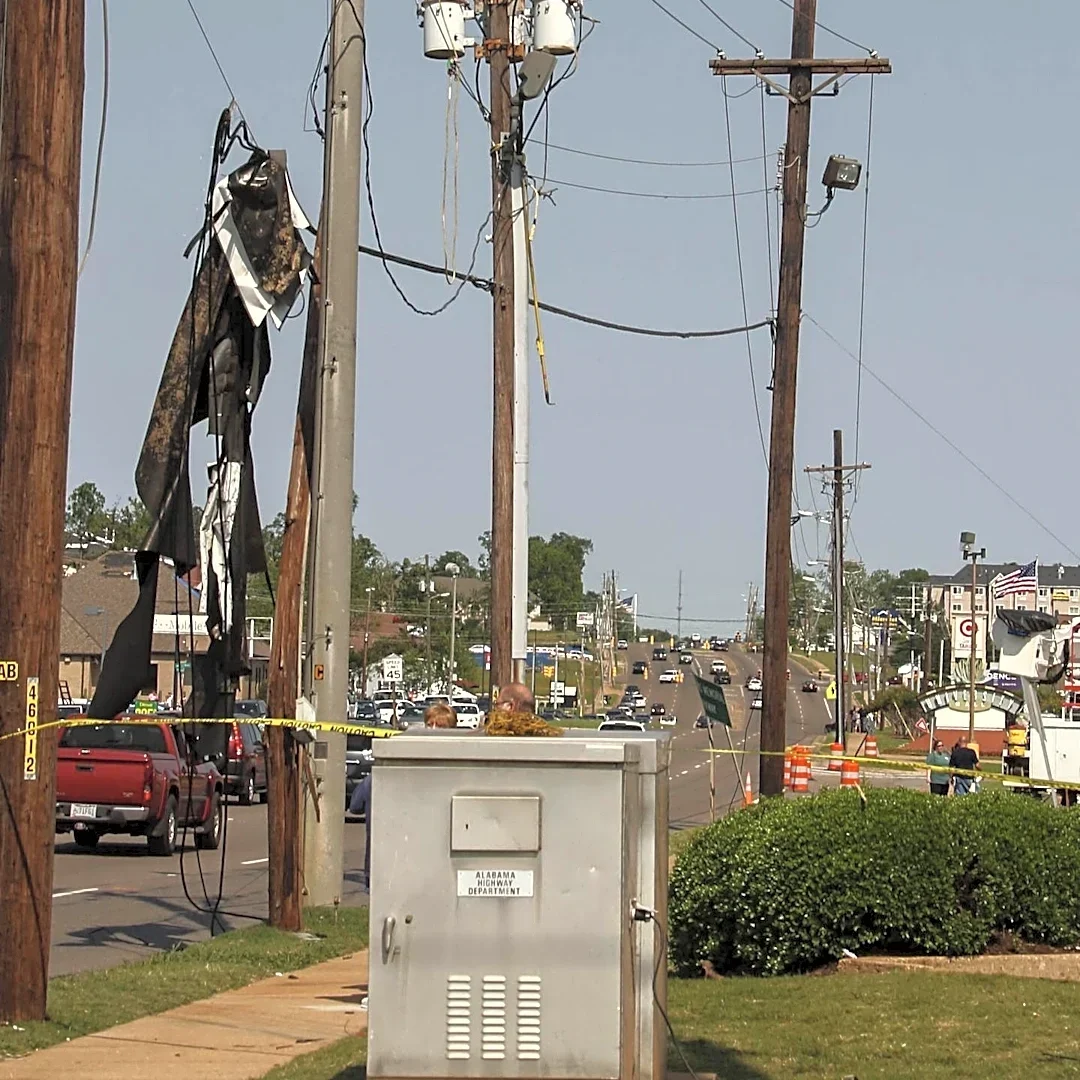
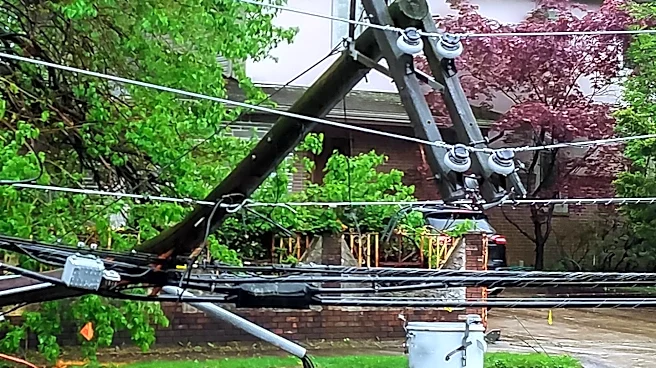
This extensive undergrounding project by PG&E is a significant investment aimed at permanently reducing wildfire risk, a critical issue for California. By moving power lines underground, the utility estimates a 98% reduction in wildfire risk for those lines and 90% fewer outages. This not only enhances public safety by minimizing the potential for electrical equipment to spark fires but also improves grid reliability for customers. The projected long-term benefits, valued at $117 billion, significantly outweigh the proposed investment, indicating a strategic shift towards more resilient infrastructure. Furthermore, the company's reported 25% reduction in per-mile undergrounding costs suggests increasing efficiency in these large-scale infrastructure projects, which could set a precedent for other utilities facing similar challenges in high-risk areas.
What's Next?
The proposed 10-year Electrical Undergrounding Plan will undergo review by the state Office of Energy Infrastructure Safety. If approved, PG&E will then submit an application to the California Public Utilities Commission to seek conditional approval for the associated costs. The company plans to have 1,900 miles of power lines underground by the end of 2027, with an additional 5,000 miles of electric distribution lines to be relocated underground between 2028 and 2037. This long-term approach focuses on deploying the most effective solutions based on risk, reliability, and cost considerations. PG&E anticipates that by the end of 2037, it will have undergrounded or installed strengthened poles and covered powerlines across more than 11,000 miles of its system in high wildfire-risk areas.
Beyond the Headlines
The shift towards undergrounding power lines represents a fundamental change in how utilities in wildfire-prone regions approach infrastructure management and risk mitigation. This initiative goes beyond immediate fire prevention, addressing long-term grid resilience and operational efficiency. The substantial investment and projected savings highlight the economic rationale behind such large-scale infrastructure overhauls, potentially influencing regulatory frameworks and investment strategies for other utilities nationwide. Moreover, the project's focus on reducing outages points to a broader societal benefit, as reliable electricity is crucial for modern life and economic stability. This move also reflects a growing understanding that climate change necessitates proactive and adaptive infrastructure solutions, moving beyond reactive measures to build a more robust and sustainable energy system.