





What's Happening?
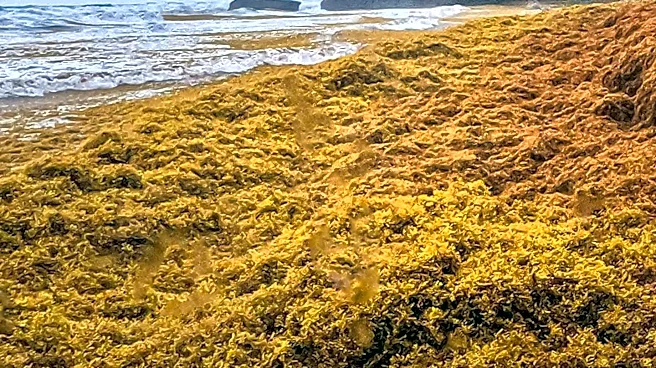
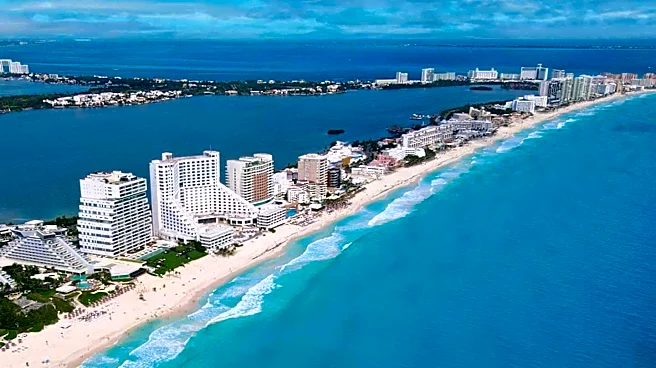
Coastlines from the Caribbean to Mexico are being overwhelmed by massive amounts of sargassum seaweed, which is suffocating marine life and deterring tourists. According to the University of South Florida, 27 million metric tons of sargassum have been
recorded in the Atlantic, Caribbean, and Gulf of Mexico. This seaweed, which releases a foul odor as it decomposes, is now growing in large quantities locally rather than being carried by ocean currents. The phenomenon is attributed to factors such as agricultural runoff, warming waters, and changes in environmental conditions. The Mexican government plans to invest $115 million to address the issue, which poses significant environmental and economic threats.
Why It's Important?
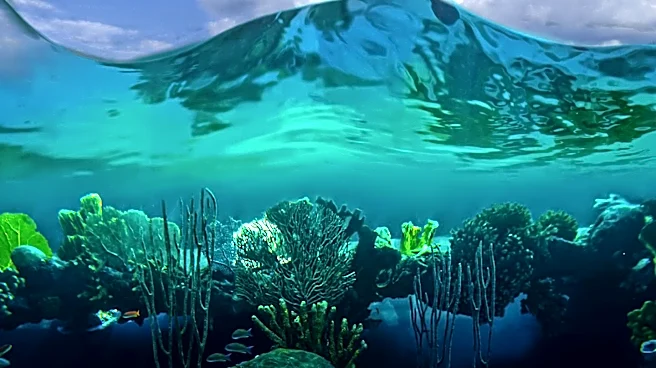
The proliferation of sargassum seaweed poses a major threat to tourism-dependent economies in the Caribbean and Mexico. The seaweed not only affects the aesthetic appeal of beaches but also harms marine ecosystems by reducing oxygen levels and blocking sunlight. The economic impact is significant, with businesses in affected areas experiencing a decline in tourism and revenue. This situation highlights the broader environmental challenges posed by climate change and human activities, emphasizing the need for sustainable practices and effective management strategies to protect coastal regions.
What's Next?
Efforts to manage the sargassum invasion include increased investment in removal and processing technologies, as well as research into the causes and potential solutions. Governments and environmental organizations may collaborate to develop strategies to mitigate the impact on tourism and marine life. The situation also calls for international cooperation to address the root causes of the seaweed bloom, such as pollution and climate change.
Beyond the Headlines
The sargassum invasion raises questions about the long-term sustainability of coastal tourism and the resilience of marine ecosystems. It also highlights the interconnectedness of environmental issues, as local phenomena are influenced by global factors. The situation may prompt a reevaluation of coastal management practices and encourage the adoption of more sustainable tourism models.