



What's Happening?
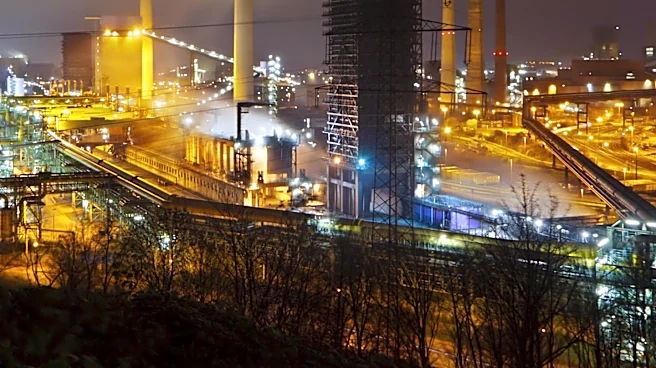
Bangladesh's plastic manufacturing sector is experiencing significant operational challenges due to a prolonged energy crisis, with factory utilization dropping to as low as 30%. The Bangladesh Plastic Goods Manufacturers and Exporters Association (BPGMEA)
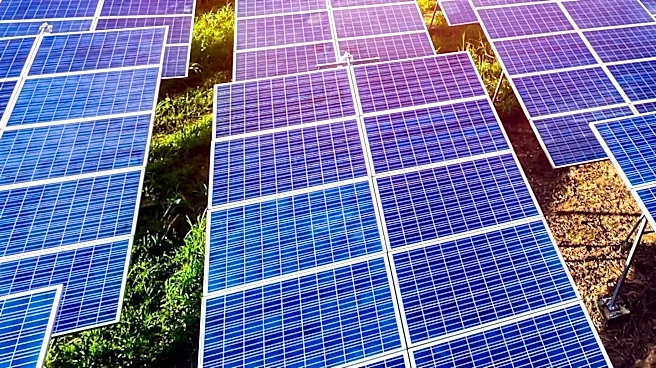
has highlighted the critical need for uninterrupted electricity to sustain production. The industry is advocating for the adoption of renewable energy solutions, such as rooftop solar, to mitigate the impact of gas and electricity shortages. The call for renewable energy adoption was made during a seminar organized by BPGMEA and the STAC Foundation, emphasizing the importance of reducing dependence on fossil fuels to cut carbon emissions.
Why It's Important?
The energy crisis in Bangladesh's plastic industry underscores the broader challenges faced by manufacturing sectors reliant on stable energy supplies. The push for renewable energy solutions not only aims to address immediate operational issues but also aligns with global sustainability goals. By investing in renewable energy, Bangladesh could enhance its industrial resilience, reduce carbon emissions, and potentially lower production costs. This shift is crucial for maintaining competitiveness in the global market and ensuring long-term economic stability.
What's Next?
The industry is likely to continue advocating for government support in accelerating renewable energy investments. This includes potential policy changes to facilitate the adoption of solar power and other sustainable energy sources. The success of these initiatives could serve as a model for other sectors facing similar challenges, promoting a broader transition towards sustainable industrial practices in Bangladesh.