





What's Happening?
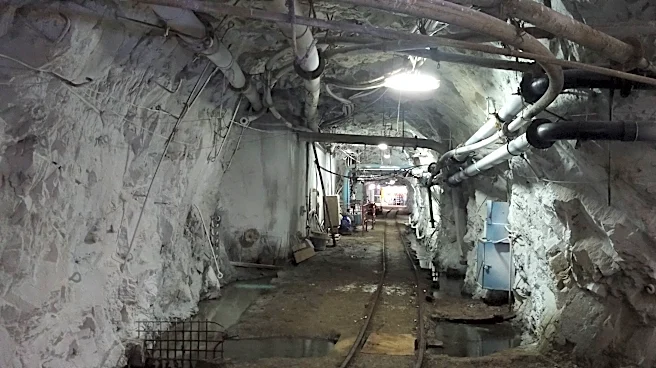
The Israel Defense Forces (IDF) announced on Sunday that its troops dismantled a 35-meter-long Hezbollah terrorist tunnel in the Majdal Zoun area of Southern Lebanon. The tunnel contained two living quarters and was discovered during ongoing IDF operations
in the security zone aimed at removing threats to Israeli civilians and soldiers. The operation was conducted by troops from the 300th Brigade, under the command of the 91st Division, in collaboration with the elite Yahalom combat engineering unit. This action follows a warning issued earlier this month by IDF Chief of Staff Lt. Gen. Eyal Zamir, who stated that Israel would not permit Hezbollah to reestablish its terrorist infrastructure near the northern border. Lt. Gen. Zamir emphasized that any threats to Israel's northern communities would be met with immediate and forceful responses during his visit to IDF Northern Command and troops in Southern Lebanon on November 4.
Why It's Important?
The destruction of this Hezbollah tunnel is a significant development in the ongoing security situation along the Israel-Lebanon border. It underscores Israel's proactive stance in preventing the Iranian-backed terrorist group from building up its military capabilities and posing a direct threat to Israeli civilians and soldiers. The discovery of living quarters within the tunnel suggests a more sophisticated and potentially long-term operational capability by Hezbollah, making its neutralization crucial for regional stability. This operation also reinforces the IDF's commitment to its stated policy of not allowing Hezbollah to establish terrorist infrastructure, even amidst a ceasefire. For the U.S., which is deeply invested in regional stability, such actions by Israel are critical in countering Iranian influence and preventing escalation in a volatile region. The continued vigilance and operational readiness of the IDF are key to maintaining deterrence against non-state actors like Hezbollah.
What's Next?
The IDF has stated its intention to continue operations aimed at removing threats while adhering to the ceasefire agreement between Israel and Lebanon. This suggests that similar actions against Hezbollah infrastructure in Southern Lebanon may occur as intelligence dictates. Hezbollah's response to this destruction remains to be seen, but it could involve attempts to rebuild or retaliate, potentially leading to further escalation. International bodies and diplomatic efforts will likely continue to monitor the situation closely to prevent a wider conflict. The ongoing operations highlight the persistent challenge of maintaining security in the region, requiring continuous vigilance from Israeli forces and potential diplomatic engagement from international actors to de-escalate tensions and ensure adherence to existing agreements.
Beyond the Headlines
The discovery and destruction of this tunnel highlight the persistent and evolving nature of asymmetric warfare in the Middle East. Hezbollah's continued efforts to build subterranean infrastructure demonstrate a long-term strategy to circumvent Israeli defenses and maintain a credible threat. This underground warfare presents unique challenges for conventional military forces, requiring specialized engineering units and advanced intelligence gathering. Beyond the immediate tactical victory, this operation underscores the broader geopolitical struggle between Israel and Iran, with Hezbollah acting as a key proxy. The presence of living quarters within the tunnel also raises ethical questions about the use of civilian areas for military purposes by non-state actors, further complicating the rules of engagement and the protection of non-combatants. The continuous cycle of infrastructure building and destruction reflects a deeply entrenched conflict that extends beyond conventional battlefields into the very terrain and civilian spaces of the region.