





What's Happening?
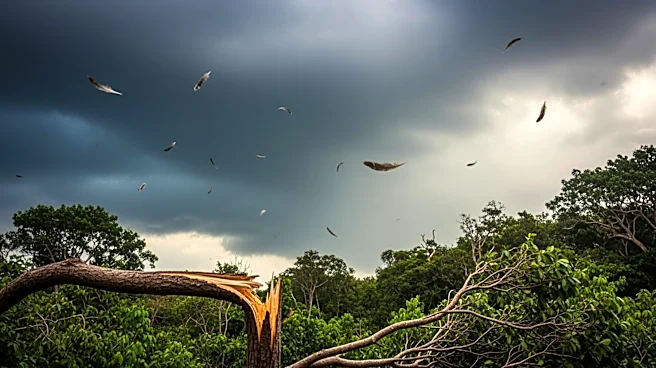
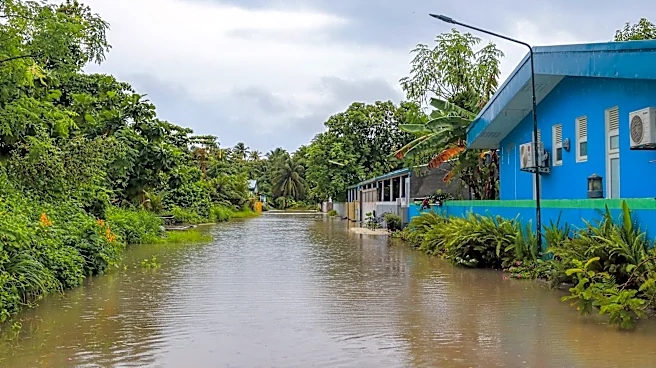
Farmers in Hawaii are experiencing significant mental health challenges following back-to-back Kona low storms that caused millions of dollars in damage. Thao Le, a professor at the University of Hawaii's College of Tropical Agriculture and Human Resilience,
highlights the psychological impact of these storms on the farming community. Le leads the 'Seeds of Wellbeing' program, which focuses on researching mental health among farmers and training them to become peer mentors. The recent storms have not only affected the physical infrastructure of farms but also taken a toll on the mental well-being of those who rely on agriculture for their livelihoods.
Why It's Important?
The mental health of farmers is crucial for the sustainability of agricultural communities, especially in regions prone to natural disasters. The psychological stress from repeated weather-related damages can lead to long-term mental health issues, affecting productivity and community resilience. Addressing these mental health challenges is essential to ensure that farmers can continue to contribute to local and national food security. Programs like 'Seeds of Wellbeing' play a vital role in providing support and resources to farmers, helping them cope with the emotional aftermath of natural disasters.
What's Next?
Efforts to support the mental health of farmers in Hawaii are likely to continue, with increased focus on community-based interventions and peer support networks. The University of Hawaii and other organizations may expand their programs to reach more farmers and provide additional resources for mental health care. Policymakers might also consider integrating mental health support into disaster response plans to better address the needs of affected communities. Ongoing research and collaboration between mental health professionals and agricultural experts will be crucial in developing effective strategies to support farmers facing similar challenges in the future.