

What's Happening?
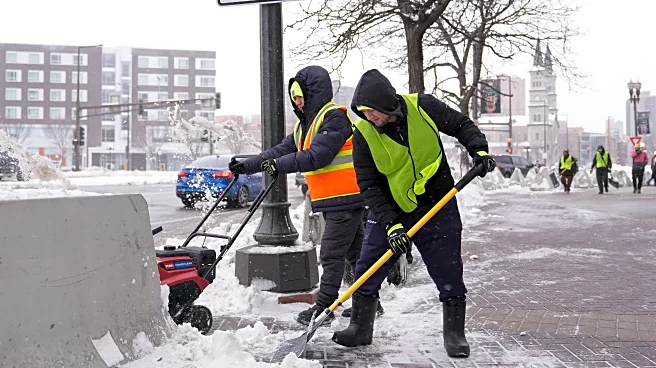
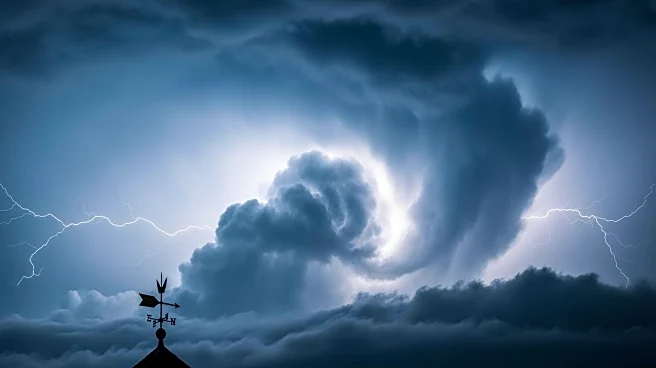
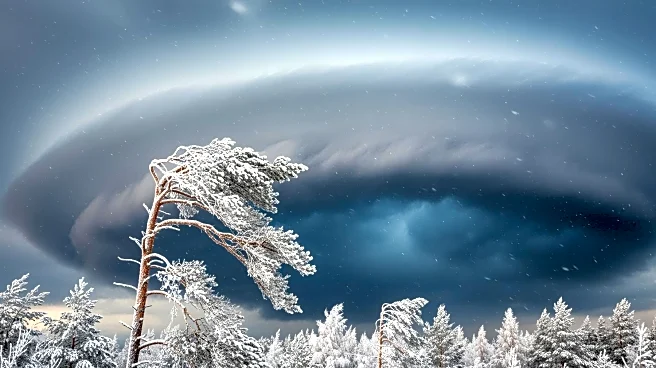
The United States is experiencing a wide range of severe weather conditions, impacting various regions with different challenges. In the Midwest, Winter Storm Iona has brought record-setting snowfall to Wisconsin and Michigan, while a tornado threat looms
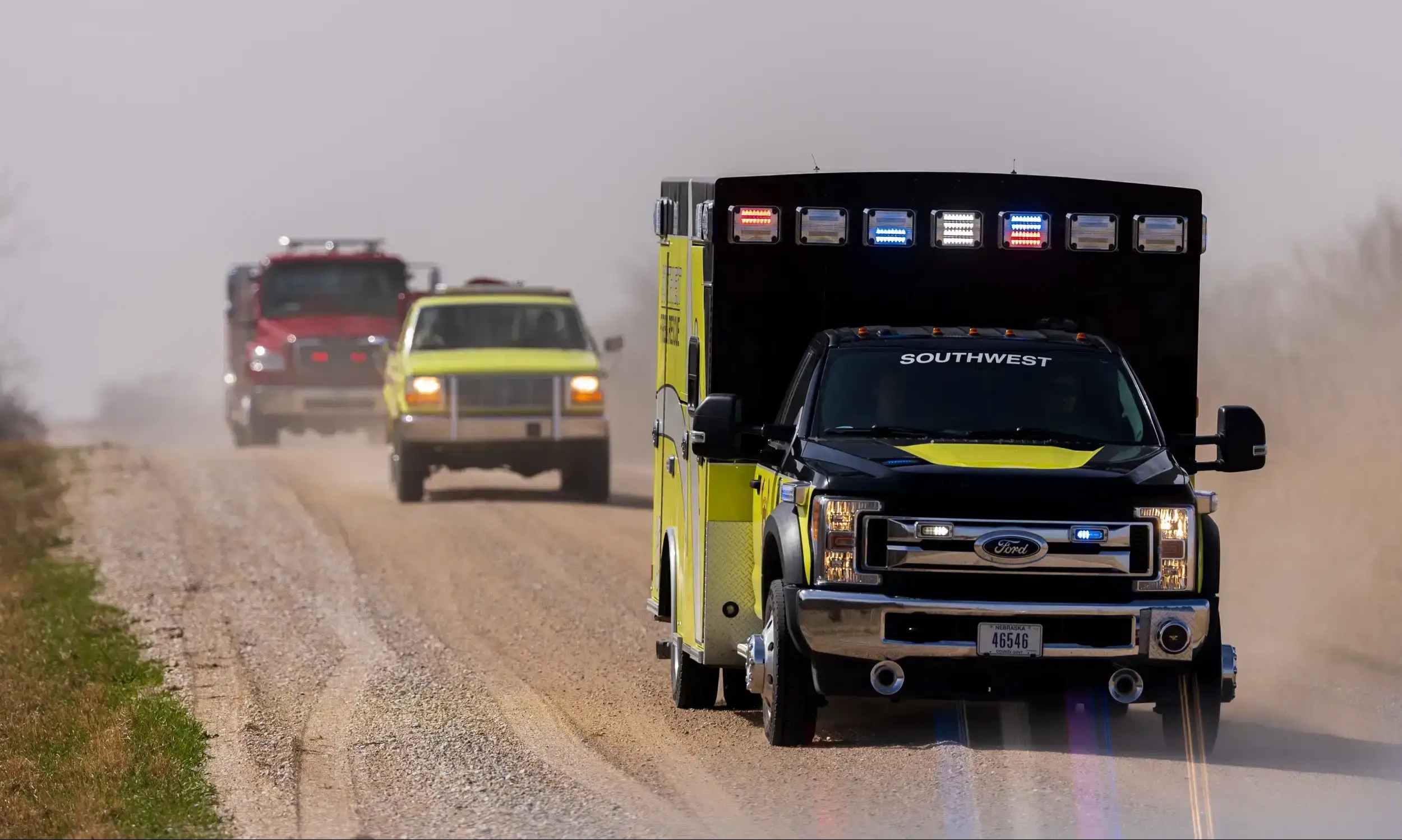
over the Ohio River Valley and Southeast. The Southwest is facing a major heat wave, with temperatures nearing 100 degrees, and the Plains are dealing with powerful winds that have fueled dangerous fire conditions in Nebraska. Hawaii is experiencing heavy rain from an atmospheric river, causing flooding and power outages. The National Weather Service has issued multiple tornado watches across the South, affecting millions of people. Additionally, blizzard conditions in Wisconsin have led to poor visibility and dangerous road conditions, prompting officials to advise residents to stay home.
Why It's Important?
The severe weather conditions across the U.S. have significant implications for public safety, infrastructure, and the economy. The blizzard conditions in the Midwest and the tornado threats in the South pose immediate risks to life and property, necessitating emergency responses and potentially leading to costly damages. The heat wave in the Southwest could strain energy resources as demand for cooling increases. In Hawaii, the flooding and power outages disrupt daily life and could have long-term impacts on the local economy, particularly in tourism. The widespread nature of these weather events highlights the need for robust emergency preparedness and response strategies to mitigate the impacts on affected communities.
What's Next?
As the severe weather continues, residents in affected areas are advised to stay informed through local news and weather updates. Emergency services are on high alert, and further advisories or warnings may be issued as conditions evolve. In the Midwest, the focus will be on managing the aftermath of the blizzard, while in the South, monitoring and responding to tornado threats will be crucial. In Hawaii, efforts to restore power and address flooding impacts will be ongoing. The situation underscores the importance of community preparedness and the role of government agencies in coordinating responses to minimize harm.