




What's Happening?
Formentera is grappling with several challenges, including a significant shortage of Guardia Civil officers, with only about 30 of 48 authorized positions filled, largely due to the housing crisis. The island also faces ongoing issues with its hospital,
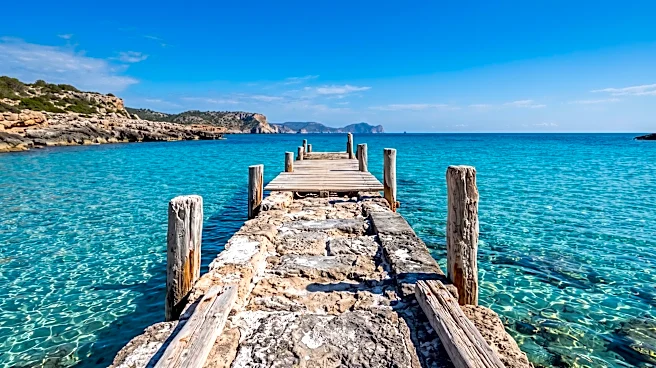
which has experienced repeated suspensions of scheduled operations due to rainwater leaks. Residents of Es Caló are raising alarms about the deteriorating condition of the historic mollet des Caló pier. Despite these infrastructure concerns, Formentera is actively promoting itself at international travel fairs, such as the London Travel Fair, to attract British tourists for longer stays, aiming to showcase its nature, gastronomy, culture, and activities beyond single-day visits. The island has also approved new public spaces, including a 2,300 m² plaza in El Pilar de la Mola, and is tendering for a new health center with a budget of €4.48 million.
Why It's Important?
Formentera's challenges reflect broader issues faced by popular tourist destinations, particularly small islands, in balancing tourism growth with sustainable development and local quality of life. The housing crisis impacting essential services like law enforcement highlights the strain on resources and the need for integrated solutions that address both visitor needs and resident well-being. For U.S. travelers, these issues could impact their experience, from public safety to healthcare access, though the island's efforts to diversify its tourism offerings and improve infrastructure aim to mitigate these concerns. The focus on longer stays and cultural tourism could appeal to a segment of the U.S. market seeking more immersive and sustainable travel experiences, potentially shifting away from mass tourism models.
What's Next?
Formentera is moving forward with plans to address its infrastructure deficits, including the construction of a new health center and the approval of new public spaces. The island's efforts to attract longer-stay tourists suggest a strategic shift towards more sustainable tourism, which could alleviate some pressures while enhancing the visitor experience. Addressing the housing crisis for essential workers will likely require innovative solutions, potentially involving local government initiatives or partnerships to provide affordable accommodation. Continued monitoring and investment in critical infrastructure, such as the hospital and the Es Caló pier, will be essential to ensure the island's long-term viability as both a desirable place to live and a premier tourist destination.
Beyond the Headlines
The situation in Formentera illustrates the complex interplay between tourism, local economy, and social infrastructure. The housing crisis, while impacting public services, also points to the broader issue of affordability for local residents in highly desirable areas. The repeated hospital closures due to leaks underscore the vulnerability of critical infrastructure to environmental factors and the importance of robust maintenance and planning. The island's strategic pivot towards attracting longer-stay, culturally engaged tourists suggests a recognition that sustainable tourism is not just about environmental protection but also about fostering a resilient local community and economy. This approach could serve as a case study for other destinations grappling with the double-edged sword of popularity.