





What's Happening?
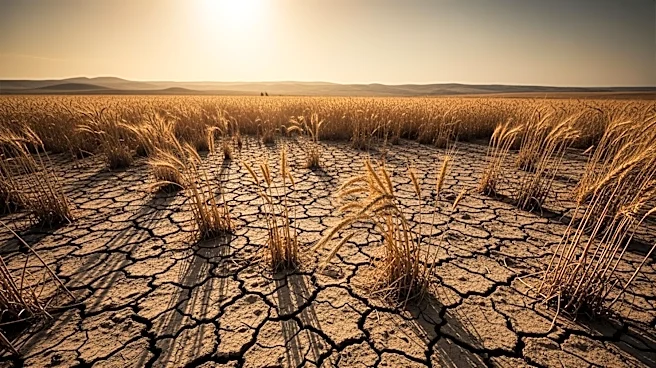
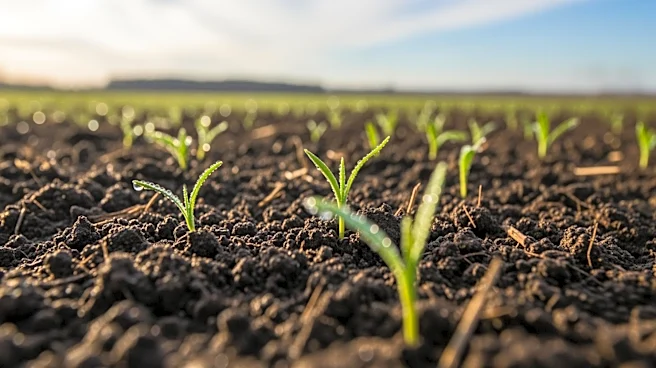
As temperatures rise and snow melts, farmers in southeast Saskatchewan are preparing for the upcoming growing season. Agrologist Edgar Hammermeister notes that the region is still experiencing the effects of significant rainfall from the previous fall,
which has filled the soil with moisture. This is a welcome change for farmers who have faced drier conditions in recent years. However, there is a concern that too much moisture could lead to flooding, potentially delaying the start of seeding. Despite these concerns, Hammermeister anticipates that farmers will begin planting on schedule, although not as early as the previous year. Farmers are also adjusting their plans in response to changing market conditions and fluctuating fertilizer costs, influenced by geopolitical events in the Middle East.
Why It's Important?
The preparation for the new farming season in southeast Saskatchewan is crucial for the agricultural sector, which is a significant part of the region's economy. The adequate moisture levels in the soil provide a promising start for the 2026 crops, potentially leading to a successful harvest. However, the risk of flooding could impact planting schedules and crop yields, affecting farmers' livelihoods and the local economy. Additionally, the rising costs of fertilizers, driven by geopolitical tensions, could increase production costs for farmers, impacting their profitability. These factors highlight the challenges that farmers face in adapting to changing environmental and economic conditions.
What's Next?
Farmers in the region will continue to monitor weather forecasts closely to mitigate the risk of flooding and ensure timely planting. They will also need to navigate the economic challenges posed by fluctuating fertilizer prices. As the season progresses, farmers may need to make further adjustments to their crop plans to respond to market demands and cost pressures. The agricultural community will be watching for any developments in the Middle East that could further impact input costs. Overall, the focus will be on balancing the benefits of adequate moisture with the potential risks of excess water and economic uncertainties.