
What's Happening?
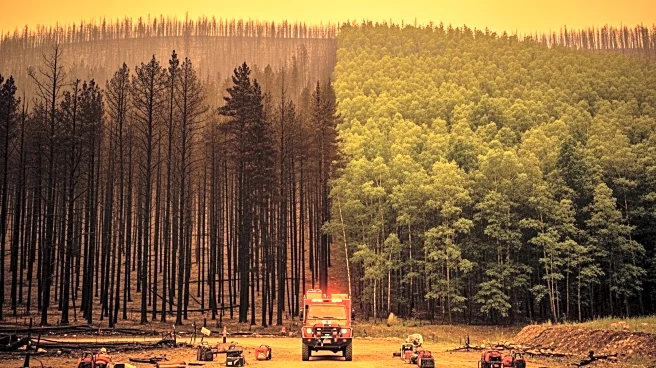
Australia has activated disaster relief measures for New South Wales, where over 60 wildfires have destroyed homes and infrastructure. The fires, fueled by extreme heat, have affected the central coast
region, home to over 350,000 people. The federal and state governments have announced financial aid and recovery assistance for the affected areas. The fires are part of a high-risk bushfire season, exacerbated by climate change, following several quieter years. The situation is reminiscent of the 'Black Summer' fires of 2019-2020, which caused widespread devastation.
Why It's Important?
The activation of disaster relief highlights the increasing frequency and intensity of wildfires in Australia, attributed to climate change. The economic impact is significant, with damage to homes, infrastructure, and agricultural assets. The situation underscores the need for robust fire management strategies and climate adaptation measures. The response will test the effectiveness of current disaster preparedness and could influence future policy decisions. The fires also pose a threat to biodiversity and natural habitats, raising environmental concerns.
What's Next?
Authorities will continue to assess the damage and provide necessary aid to affected communities. The ongoing fires may prompt further evacuations and emergency responses. The situation could lead to policy discussions on climate change mitigation and adaptation strategies. Long-term recovery efforts will focus on rebuilding infrastructure and restoring affected areas. The international community may offer support, and the event could influence global climate policy discussions.