





What's Happening?
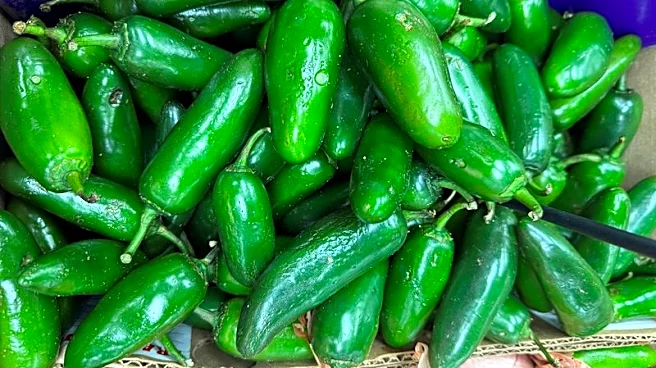
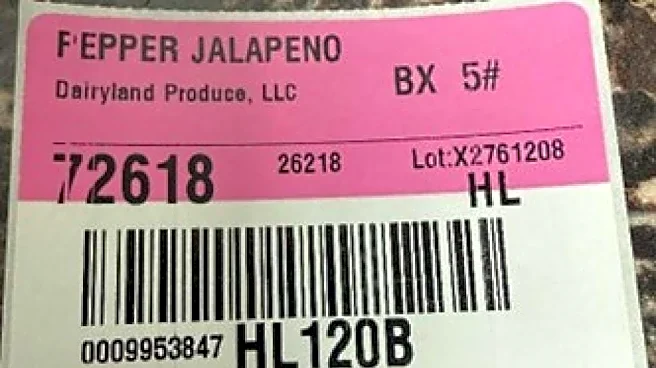
Following a Hannaford recall of six deli and produce items linked to a broader recall involving jalapeños grown in Mexico, a WCAX viewer questioned how cooked foods could still carry salmonella. Emily Mosites, an epidemiologist with the Vermont Department
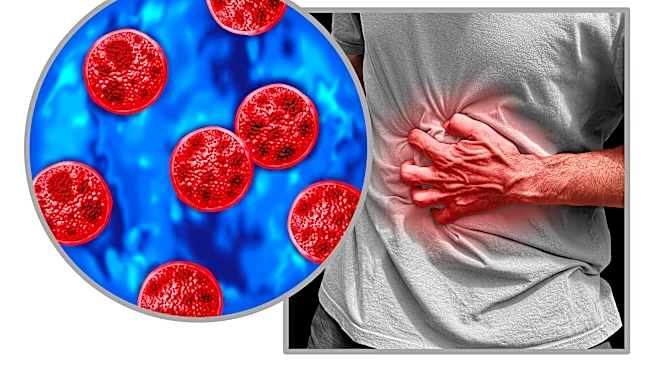
of Health, clarified that contamination can occur even after food is cooked if it subsequently comes into contact with salmonella. She explained that if a contaminated ingredient is mixed with other ingredients in a prepared food, the entire dish can become contaminated, regardless of whether the other components were cooked. The recalled items included pre-prepared foods such as burritos. Mosites advised that while most people recover from salmonella on their own, young children, older adults, and those with weakened immune systems should seek medical attention if they suspect infection.
Why It's Important?
This explanation from the Vermont Department of Health is crucial for public health and food safety awareness. It dispels a common misconception that cooking automatically eliminates all risks of foodborne illness, particularly salmonella. For consumers, understanding cross-contamination is vital for safe food handling practices at home. For the food industry, it underscores the importance of stringent hygiene protocols throughout the entire food preparation chain, from sourcing ingredients to final packaging, to prevent post-cooking contamination. Recalls like the Hannaford incident can erode consumer trust and lead to significant financial losses for businesses, highlighting the economic impact of food safety failures. The guidance on who should seek medical attention also helps prioritize healthcare resources for the most vulnerable populations.
What's Next?
Consumers are advised to remain vigilant about food recalls and to follow safe food handling practices, including preventing cross-contamination in their kitchens. Food retailers and manufacturers will likely continue to review and update their food safety protocols, especially concerning ingredients sourced from external suppliers and the preparation of ready-to-eat items. Public health agencies, like the Vermont Department of Health, will continue to monitor foodborne illness outbreaks and provide educational resources to the public. The broader food industry may also see increased scrutiny or updated regulations regarding ingredient sourcing and processing to prevent future contamination incidents, particularly for produce that is often consumed raw or lightly cooked.
Beyond the Headlines
This incident and the subsequent explanation from health officials highlight the complex nature of food safety in a globalized food supply chain. The recall of jalapeños grown in Mexico points to the international dimension of food sourcing and the challenges of ensuring safety across borders. It also brings to light the concept of 'invisible' risks in food—where contamination might not be apparent through sight or smell but can still cause serious illness. This situation can foster a deeper public understanding of microbiology and food science, emphasizing that food safety is not just about cooking temperatures but also about preventing re-contamination. Ethically, it places a significant responsibility on food producers and retailers to ensure the safety of their products, as failures can have widespread health and economic consequences.