





What's Happening?
Nordonia High School's indoor gardening program has successfully completed its second season of growth, engaging teachers, staff, and students in planting, nurturing, and harvesting vegetables. The program, initially funded by a $9,050 Educator Initiative
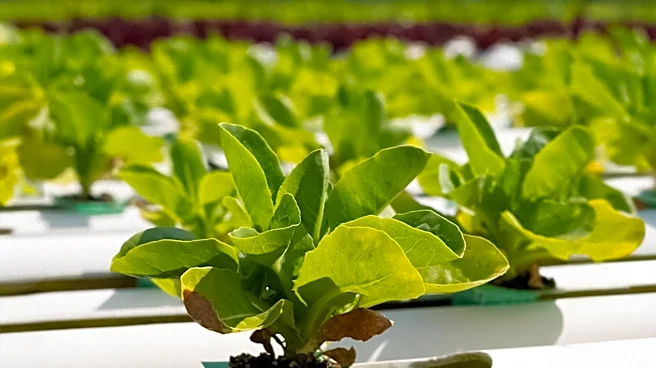
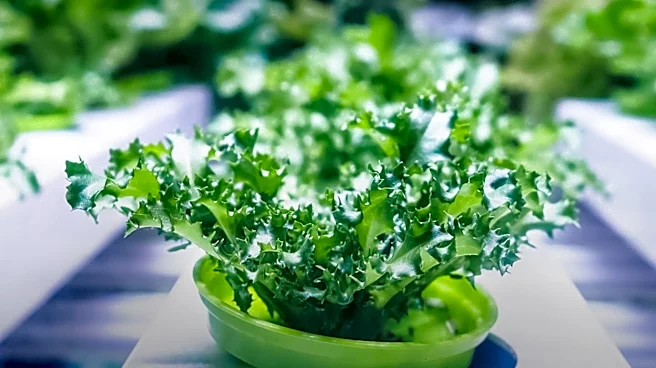
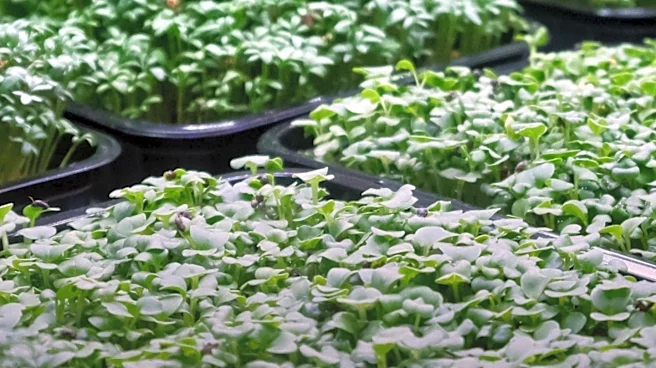
Grant from the GAR Foundation during the 2024-25 school year, provided seven indoor tower gardens. These gardens allow students to cultivate various leafy vegetables, including lettuce, kale, spinach, arugula, basil, and parsley. Environmental science teacher and Environmental Club advisor Adam Salberg, along with intervention specialist Christopher Armao, have been instrumental in leading the program. Salberg utilizes the tower gardens for labs covering environmental science topics, and students participate in 'Salad Days' where they harvest produce. While fruiting vegetables like tomatoes and peppers have been challenging to grow indoors due to pollination issues, the program has seen success with leafy greens. The initiative aims to teach students responsibility, environmental benefits, and practical skills.
Why It's Important?
This indoor gardening program at Nordonia High School is important for several reasons, primarily its impact on student education and skill development. It provides hands-on learning experiences in environmental science, allowing students to understand plant growth, ecosystems, and sustainable practices directly. The program fosters a sense of responsibility as students care for the plants daily. Beyond academic benefits, it teaches valuable life skills such as collaboration and social interaction, particularly for students in intervention specialist classrooms. Economically, the program introduces students to the concept of reducing grocery costs by growing their own food, promoting self-sufficiency. It also highlights the potential for urban and indoor agriculture to address food security and environmental concerns, even on a small scale. The success of this program could serve as a model for other educational institutions looking to integrate practical environmental education and life skills into their curriculum.
What's Next?
The Nordonia High School indoor gardening program is set to continue, with plans for replanting at the beginning of the new school year. Environmental science teacher Adam Salberg intends to incorporate an advisory period for environmental studies, specifically to teach students how to care for the gardening equipment. While previous attempts to hold a farmers market with special education classes did not materialize this year, there is a possibility of implementing this initiative in the next school year, which would further enhance students' understanding of food systems and community engagement. The program will likely continue to experiment with different crops, potentially seeking solutions for indoor pollination challenges to expand the variety of vegetables grown. Continued funding and community support will be crucial for the program's sustained growth and its ability to impact more students.
Beyond the Headlines
The Nordonia High School gardening program extends beyond simply growing vegetables; it cultivates a deeper understanding of sustainability and community. By bringing gardening into the classroom, it democratizes access to agricultural knowledge, especially for students who may not have access to outdoor garden spaces. The challenges faced with pollinating fruiting vegetables indoors highlight broader issues in controlled environment agriculture and the complexities of replicating natural processes. This hands-on experience can spark interest in careers related to horticulture, environmental science, and sustainable food systems. Furthermore, the program's emphasis on responsibility and collaboration contributes to the holistic development of students, preparing them with practical skills and an environmental consciousness that will be valuable in an increasingly complex world. It underscores the educational value of experiential learning in fostering both academic and personal growth.