




What's Happening?
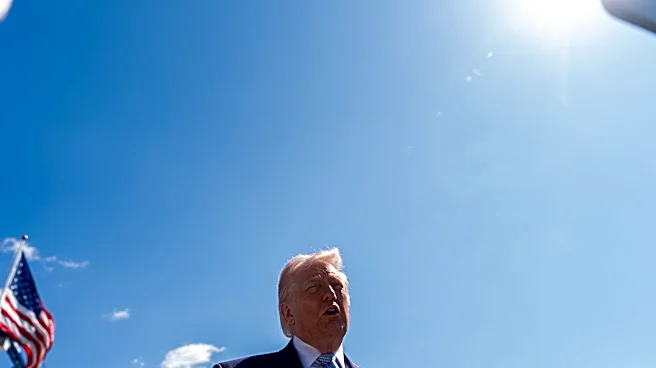
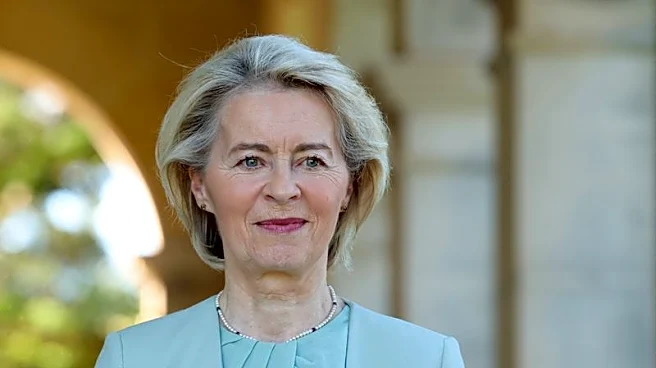
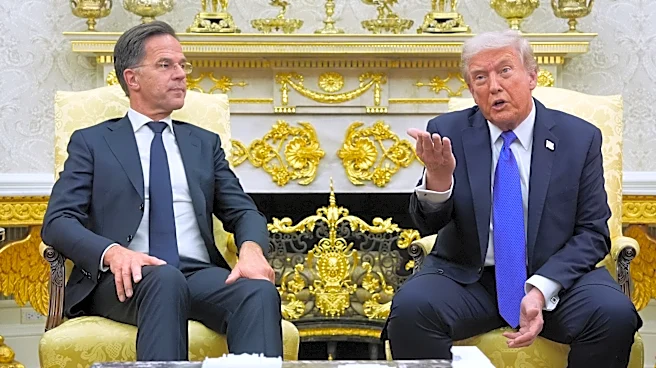
The European Union is grappling with the challenges posed by President Trump's foreign policy, which has strained transatlantic relations. Trump's unilateral approach and demands for NATO allies to increase defense spending have led to a reevaluation
of Europe's security strategies. European leaders have attempted to placate Trump by increasing military budgets and reaffirming NATO commitments, but trust in the U.S. as a reliable ally has been eroded. The ongoing Iran conflict and Trump's aggressive stance have further complicated the relationship, with European countries seeking to balance their security needs with diplomatic ties to the U.S.
Why It's Important?
The uncertainty in U.S.-European relations under Trump's presidency has significant implications for global security and economic stability. Europe's reliance on the U.S. for defense and security is being tested, prompting a shift towards greater self-reliance and increased military spending. The erosion of trust in the U.S. as a dependable ally could lead to a realignment of international alliances and affect global trade and cooperation. European leaders must navigate these challenges while maintaining their own security and economic interests, which could reshape the geopolitical landscape.
Beyond the Headlines
The broader implications of Trump's presidency on U.S.-European relations include potential shifts in global power dynamics and the role of international institutions. The erosion of trust in the U.S. could lead to increased cooperation among European nations and a stronger emphasis on regional security. The situation also highlights the challenges of maintaining democratic values and multilateralism in the face of unilateral actions by powerful nations. European leaders must balance their domestic priorities with the need for international cooperation, which could influence future policy decisions.