






What's Happening?
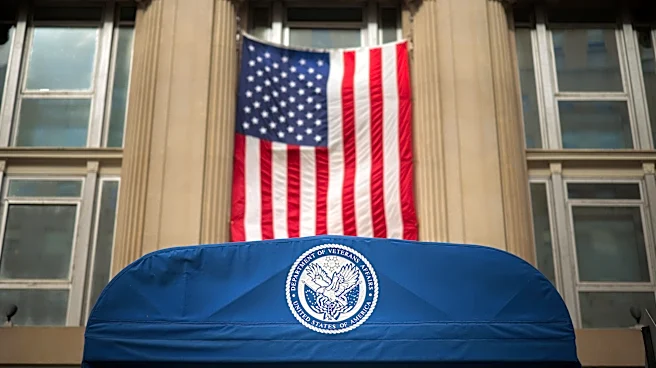
Senators Angela Alsobrooks and Thom Tillis have introduced the VA Home Loan Navigator Act in the Senate. This proposed legislation aims to establish a program that offers no-cost foreclosure-prevention counseling to veterans and servicemembers with VA-backed
home loans. The bill instructs the VA Secretary to collaborate with nonprofit organizations, which will receive training on the loan process and provide direct assistance to borrowers. Certified service providers would offer individualized counseling for loss mitigation and foreclosure prevention, acting as coordinators between borrowers, mortgage servicers, and the VA. This initiative comes as foreclosure rates have seen an increase following the conclusion of pandemic-era assistance programs, placing a significant number of VA-backed loan recipients at risk. A similar House bill was introduced earlier this year by U.S. Representatives Veronica Escobar and Jack Bergman.
Why It's Important?
The VA Home Loan program, established in 1944, is a critical benefit for veterans and servicemembers, helping hundreds of thousands secure homeownership. The rising foreclosure rates post-pandemic pose a substantial threat to this population, potentially leading to housing instability and financial distress for those who have served the nation. This bill is important because it directly addresses a vulnerability within the veteran community by providing essential financial counseling and support. By partnering with nonprofit organizations, the program aims to leverage existing expertise and resources to deliver targeted assistance. This proactive approach to foreclosure prevention can safeguard veterans' assets, maintain their financial well-being, and uphold the integrity of the VA home loan program, ensuring that the benefits intended for servicemembers are not undermined by economic shifts.
What's Next?
The VA Home Loan Navigator Act will now proceed through the legislative process in the Senate, where it will be subject to committee review, potential amendments, and votes. Given that a similar bill was introduced in the House by Representatives Veronica Escobar and Jack Bergman earlier this year, there may be bipartisan support for this type of initiative. The bill's progression will depend on congressional priorities and negotiations. If passed, the VA Secretary would then be tasked with developing and implementing the program, including establishing partnerships with nonprofit organizations and training certified service providers. Veterans with VA-backed loans who are experiencing financial difficulties should monitor the bill's progress, as its enactment could provide them with valuable, no-cost counseling resources to prevent foreclosure.
Beyond the Headlines
The introduction of the VA Home Loan Navigator Act highlights a broader societal responsibility to support veterans beyond their active service. It underscores the ongoing challenges many veterans face in transitioning to civilian life, particularly concerning financial stability and housing security. The bill also points to the systemic impact of economic downturns and the cessation of emergency aid programs, revealing how vulnerable specific populations can be without targeted support. Furthermore, the emphasis on partnerships with nonprofit organizations reflects a growing trend in public policy to leverage community-based resources for specialized services, acknowledging their expertise and reach. This legislative effort could set a precedent for how the government addresses financial vulnerabilities within other specific demographic groups, emphasizing preventative measures over reactive interventions in times of economic stress.