





What's Happening?
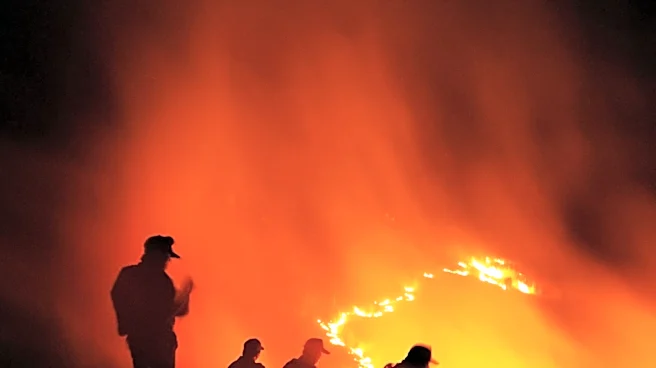
The U.S. Forest Service has approved a significantly reduced version of the Los Padres National Forest Wildfire Risk Reduction Project. The initial proposal, which aimed to clear vegetation across 235,493 acres, has been scaled down by over 85% to approximately
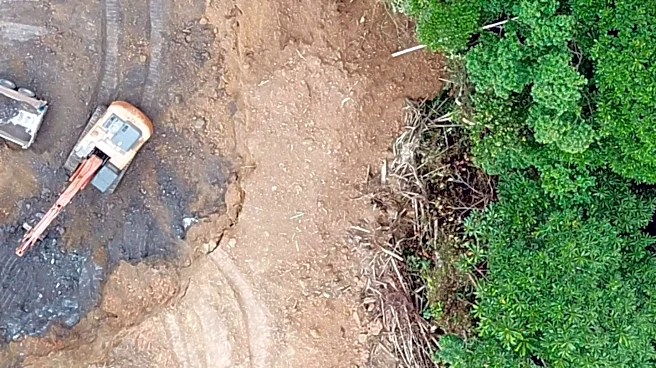
33,023 acres. This reduction came after substantial environmental concerns and public input from a coalition of 91 community organizations, environmental groups, and elected officials. The revised plan focuses vegetation removal along existing roads, trails, developed sites, and previously disturbed areas, moving away from larger tree removal areas near the coast. While conservation groups welcomed the substantial reduction, they emphasized the need for additional safeguards to protect the environment and prioritize clearing closer to communities for maximum public safety benefit. The Forest Service is advancing the project under an emergency designation tied to President Trump administration directives, bypassing the usual formal objection period.
Why It's Important?
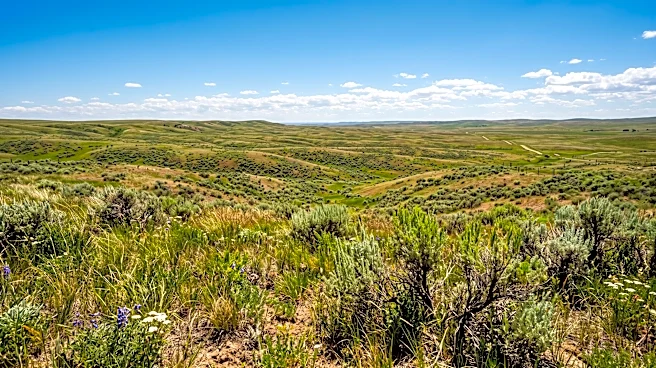
This decision by the U.S. Forest Service is highly significant for environmental policy and community safety in the Los Padres National Forest region. The drastic reduction in the project's scope demonstrates the impact of public and stakeholder engagement on large-scale land management decisions. It highlights a tension between wildfire risk reduction and ecological preservation, particularly in areas like chaparral and native shrublands that are sensitive to overly frequent fires. While the project aims to reduce wildfire risk, environmental groups argue that extensive clearing in remote areas can damage wildlife habitats, spread invasive species, and convert native vegetation into flammable weeds. The concentration of work closer to communities reflects a shift towards prioritizing public safety where it is most directly impacted, rather than broad-scale landscape alteration. The bypassing of the formal objection period, however, raises concerns about transparency and public participation in critical environmental decisions.
What's Next?
The U.S. Forest Service intends to begin work on the reduced Los Padres National Forest Wildfire Risk Reduction Project immediately. Conservation groups will closely monitor the implementation of the project, particularly regarding vegetation removal, the use of heavy equipment, and the potential spread of invasive plants. They will also scrutinize how the Forest Service addresses site-specific impacts in sensitive ecological and cultural landscapes. The absence of a formal objection period means that further refinements or challenges to the project will likely need to occur through ongoing dialogue and oversight rather than a structured pre-implementation review. This situation sets a precedent for how future large-scale environmental projects might be handled, especially under emergency designations, potentially influencing public participation and environmental review processes across other national forests.
Beyond the Headlines
The Los Padres National Forest project illuminates a broader national debate regarding wildfire management strategies and the balance between human safety and ecological integrity. The initial proposal's scale and subsequent reduction underscore the complex scientific and social considerations involved in managing natural resources. The concerns raised by environmental groups about the impact of clearing on chaparral and native shrublands highlight the importance of understanding specific ecosystem dynamics rather than applying a one-size-fits-all approach to fire prevention. The use of an emergency designation, linked to President Trump administration directives, also brings into focus the political dimensions of environmental policy and how executive actions can influence the procedural aspects of project approval. This case serves as a critical example of how local activism and scientific input can shape federal land management, even within a constrained regulatory framework, and emphasizes the ongoing need for adaptive and ecologically informed wildfire mitigation strategies.