







What's Happening?
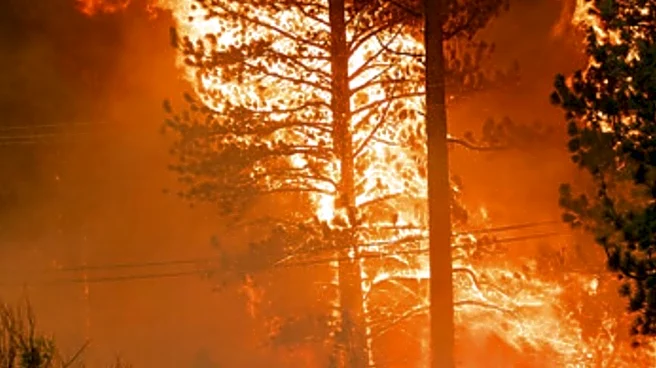
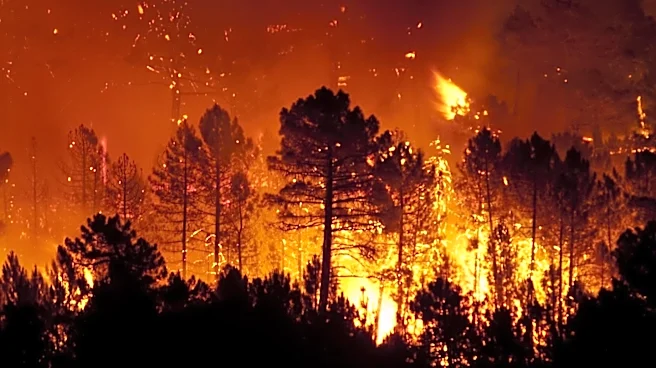
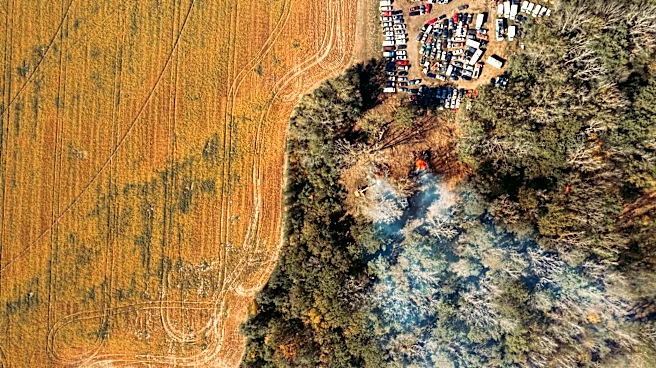
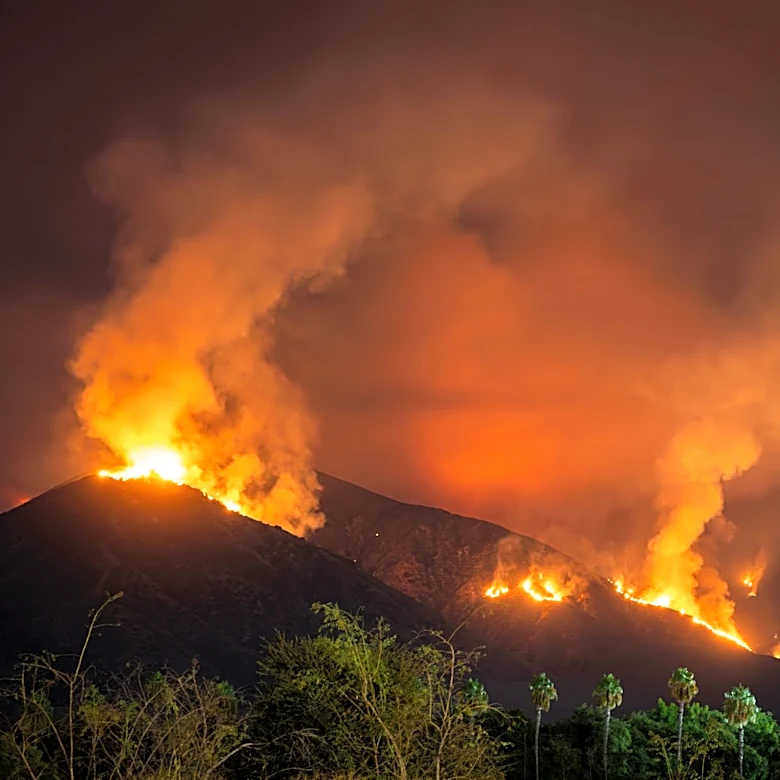
Officials in southern Colorado have announced the lifting of more evacuation orders near the Aspen Acres Fire, allowing residents in Zone C4 to return home starting Monday morning. This follows the reopening of Zone C9B on Saturday. The Custer County
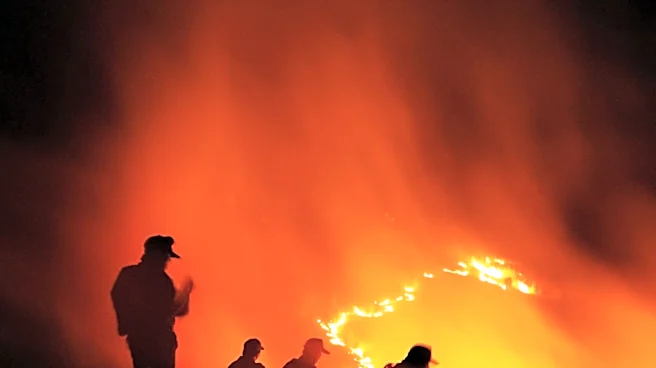
Sheriff's Office has emphasized the need for re-entry cards for residents to pass through traffic control points. The fire, which has burned approximately 100,224 acres, is now 61% contained. Despite progress, areas such as Zones C2 and C3 remain heavily involved in firefighting efforts. The community is advised to stay alert due to potential flash flooding in burn scar areas. The sheriff's office is also initiating educational presentations on wildfire mitigation to enhance community readiness.
Why It's Important?
The lifting of evacuation orders marks a significant step in the recovery process for the affected communities. The Aspen Acres Fire is one of the largest in Colorado's history, and its containment is crucial for the safety and stability of the region. The return of residents is a positive development, but the ongoing threat of flash floods and the need for continued firefighting efforts highlight the challenges that remain. The situation underscores the importance of fire mitigation strategies and community preparedness in preventing future disasters. The educational initiatives by the sheriff's office aim to foster a culture of proactive fire management, which is essential for long-term resilience.
What's Next?
As residents return, the focus will shift to recovery and rebuilding efforts. The community will need to address the immediate needs of those affected, including the disposal of spoiled food and the restoration of essential services. The educational presentations on wildfire mitigation will play a critical role in preparing the community for future fire threats. Authorities will continue to monitor the situation closely, with the possibility of re-evacuation if conditions worsen. The collaboration between local government, emergency services, and residents will be vital in ensuring a successful recovery and enhancing the region's resilience to future wildfires.