





What's Happening?
A coalition of 21 attorneys general, including Attorney General Jay Jones and Attorney General William Tong, has submitted a comment letter opposing a new interim final rule (IFR) by the U.S. Department of Homeland Security (DHS). This rule would allow
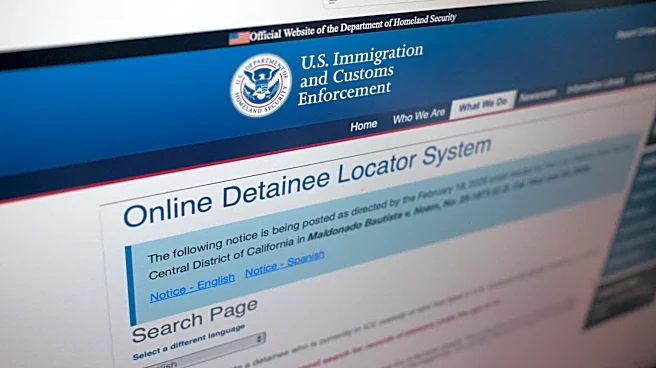
U.S. Citizenship and Immigration Services (USCIS) to refer affirmative asylum applications directly to the Executive Office for Immigration Review (EOIR), bypassing an asylum officer interview. This means applicants would be placed directly into adversarial removal proceedings in immigration court, where an Immigration and Customs Enforcement prosecutor argues against their claim. The DHS estimates this rule could affect approximately 130,000 future asylum applicants annually and impact up to 444,000 cases already in the EOIR's asylum backlog. The attorneys general argue that this IFR violates federal law and is particularly detrimental to unaccompanied children, who are legally entitled to a non-adversarial adjudicatory process under the Trafficking Victims Protection Reauthorization Act. The denial rate for asylum claims reached 94% in June 2026, and many applicants do not receive a full merits hearing.
Why It's Important?
This proposed rule change has significant implications for the U.S. asylum system and the individuals seeking refuge. By fast-tracking asylum seekers into adversarial court proceedings without an initial interview, the rule could prevent applicants from adequately explaining their reasons for seeking asylum, especially those who are torture survivors or lack legal representation. The current system already has a high denial rate, and this IFR could exacerbate the challenges faced by asylum seekers, potentially leading to increased psychological distress and further strain on state-funded legal service providers and healthcare clinics. The coalition of attorneys general highlights that the rule could undermine tax revenue and business income, given the critical role immigrants play in the workforce and broader economy. Furthermore, it raises concerns about the U.S. upholding its core principles of providing refuge and due process, as well as potentially violating federal law regarding the treatment of unaccompanied minors.
What's Next?
The comment letter submitted by the coalition of attorneys general is a formal objection to the DHS's interim final rule. The DHS will need to consider these objections as part of the rulemaking process. The attorneys general are advocating for the rule to be reconsidered or amended to ensure that asylum seekers, particularly unaccompanied children, receive a fair and non-adversarial process. Potential next steps could include legal challenges to the IFR if it is fully implemented without addressing the concerns raised. Stakeholders, including legal aid organizations, immigrant rights groups, and state governments, will likely continue to monitor the implementation and impact of this rule, potentially leading to further advocacy or litigation to protect the rights of asylum seekers. The rule's impact on the existing asylum backlog and the financial and mental toll on individuals and families will also be closely watched.
Beyond the Headlines
The debate surrounding this DHS rule extends beyond procedural changes, touching upon fundamental ethical and humanitarian considerations. The rule's potential to silence asylum applicants and deny them a full opportunity to present their case raises questions about the U.S.'s commitment to international human rights standards and its historical role as a haven for those fleeing persecution. The high percentage of torture survivors among asylum seekers underscores the vulnerability of this population and the importance of a compassionate and thorough review process. The rule also highlights the ongoing tension between national security concerns and humanitarian obligations in immigration policy. The long-term implications could include a chilling effect on asylum applications, a further erosion of public trust in the immigration system, and increased pressure on non-governmental organizations providing support to asylum seekers. The economic arguments presented by the attorneys general also point to the broader societal impact of immigration policies, linking humanitarian concerns with economic well-being.