




What's Happening?
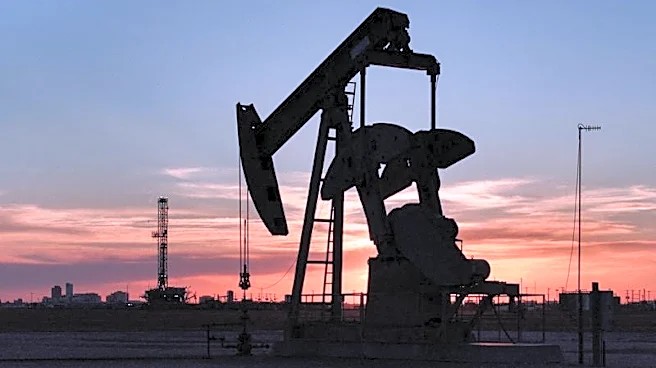
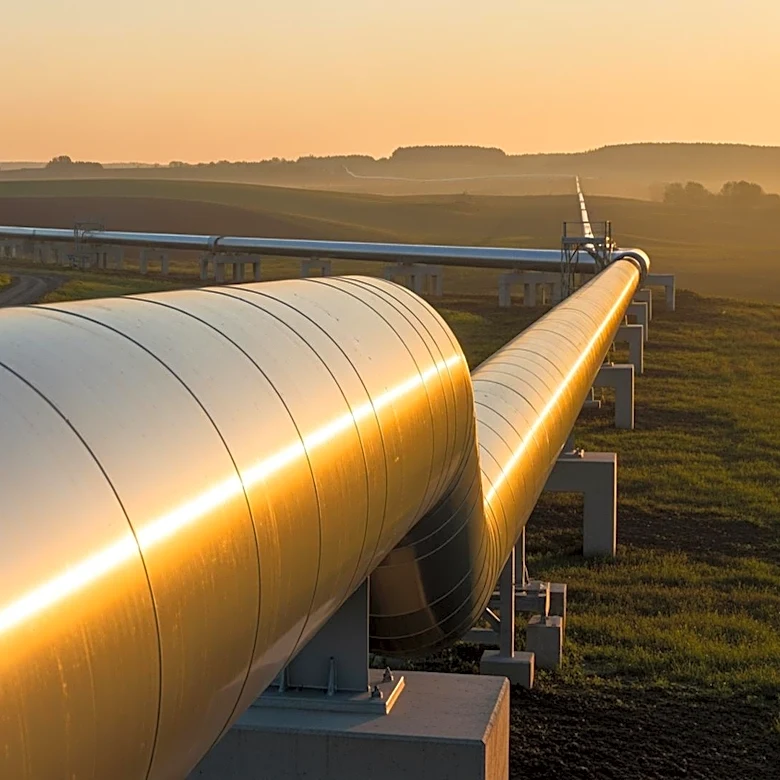
The European car industry, represented by the lobby group ACEA, has proposed significant changes to the EU's car CO2 targets, which could lead to an increase in oil imports by €74 billion between 2026 and 2035. The ACEA's demands include extending the averaging
period for carmakers' 2030 CO2 targets from three to five years and canceling a utility factor that accurately measures plug-in hybrid vehicles' emissions. These changes could delay the transition to fully electric vehicles (EVs) and increase reliance on polluting combustion engines. The German government has shown support for prolonging sales of polluting plug-in hybrids, aligning with ACEA's position. If implemented, these proposals could result in battery electric vehicle (BEV) sales stagnating at 21% market share instead of reaching the 57% required by current regulations by 2030.
Why It's Important?
The ACEA's proposals could have significant implications for the EU's climate goals and energy independence. By potentially increasing oil imports and CO2 emissions, the proposals threaten to undermine efforts to reduce the EU's carbon footprint and transition to sustainable energy sources. The delay in the rollout of affordable EVs could also impact consumers, who are facing high petrol prices. Furthermore, the proposals could widen the gap between the EU and other regions, such as China, in the transition to electric mobility. The increased oil dependency could also have economic repercussions, affecting the EU's trade balance and energy security.
What's Next?
The proposals are currently under debate by the European Parliament and EU governments. Environmental groups, such as Transport & Environment (T&E), are urging EU lawmakers to maintain the current CO2 targets and support ambitious legislation to promote EV adoption. The outcome of these debates will determine the future trajectory of the EU's automotive industry and its alignment with climate goals. Stakeholders, including car manufacturers, environmental advocates, and policymakers, will likely continue to engage in discussions to balance economic interests with environmental responsibilities.