





What's Happening?
Stephen Schneider, 64, of Bayville, New Jersey, has been charged with two counts of reckless vessel homicide/death by vessel, operating a vessel under the influence, and reckless operation of a vessel following a tragic boating accident. The incident
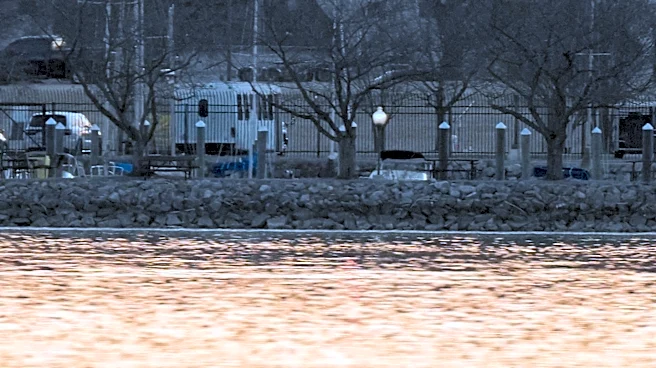
occurred on July 19, when Schneider’s 30-foot Tidewater 280 boat collided with a wood channel marker on Barnegat Bay. His two grandchildren, Mya Golabek, 9, and Sigmund Paul Golabek, 7, were thrown from the boat and later died at the hospital. According to court documents, the children had asked to return to their grandparents' house after a family dinner. Schneider admitted to police that he had consumed three beers during a two-hour outing, and State Police confirmed his alertness, sense of care, caution, perception, judgment, response time, and coordination were markedly impaired by alcohol. Both children were wearing life jackets but were found face-down in the water. Schneider and his wife performed CPR, but it was unsuccessful.
Why It's Important?
This tragic incident underscores the critical importance of responsible boating and the severe consequences of operating a vessel under the influence. The charges against Stephen Schneider highlight the legal and moral responsibilities of individuals in charge of watercraft, particularly when children are on board. This case serves as a stark reminder of the dangers associated with impaired operation, whether on roads or waterways, and the devastating impact it can have on families. It also brings attention to the ongoing efforts by law enforcement to enforce boating safety regulations and prosecute those who endanger others through negligence. The incident may prompt increased public awareness campaigns regarding boating under the influence and the necessity of adhering to safety protocols, even in seemingly casual family outings.
What's Next?
Stephen Schneider faces legal proceedings for the charges of reckless vessel homicide and operating a vessel under the influence. The New Jersey courts will continue with the trial, which will determine the extent of his culpability and potential sentencing. This case will likely draw significant public attention, particularly from boating communities and advocates for water safety. It may also lead to discussions about stricter enforcement of boating regulations and potential legislative changes to enhance safety measures on waterways. The outcome of this trial could set a precedent for similar cases involving boating accidents and impaired operation, influencing how such incidents are prosecuted and perceived in the future. The family of Mya and Sigmund Golabek will continue to seek justice through the legal system.
Beyond the Headlines
Beyond the immediate legal ramifications, this incident brings to light the profound emotional and psychological toll such tragedies inflict on families and communities. The fact that the children had asked to go home adds a layer of heartbreaking irony, emphasizing the vulnerability of young lives entrusted to adult care. This case also implicitly raises questions about the broader culture surrounding alcohol consumption and recreational activities, particularly when children are present. It serves as a somber reminder that even seemingly minor impairments can have catastrophic consequences, urging a re-evaluation of personal responsibility and vigilance in all forms of transportation. The long-term impact on the family and the community will extend far beyond the courtroom, highlighting the enduring pain of preventable loss.