




What's Happening?
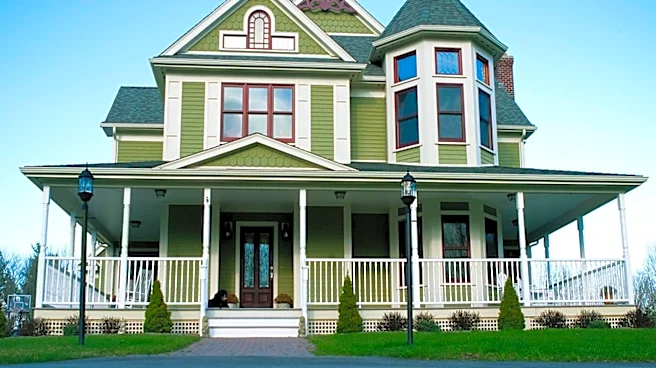
The St. Charles City Council has officially designated the Judge William D. Barry House as a landmark, preventing its demolition. The house, located at 217 Cedar Ave., was previously under threat of being torn down by its owner, Baker Memorial United
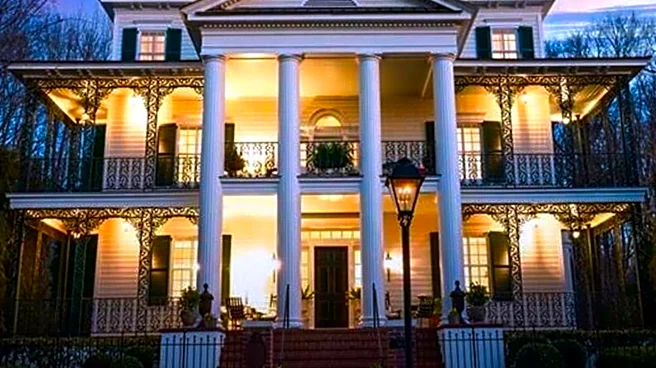
Methodist Church, which intended to convert the property into parking spaces. The city council's decision follows a series of negotiations and public hearings, where the historical significance of the house was highlighted. Built around 1844 in the Greek Revival style, the house was owned by a prominent lawyer and judge, William D. Barry, who was also the first president of the Kane County Bar Association. The city has agreed to subsidize some restoration costs for a potential buyer, using funds from the downtown tax increment financing district. Local developer Bob Rasmussen, of Geneva Heights LLC, has agreed to purchase and restore the house, with financial assistance from the city.
Why It's Important?
The landmark designation of the Judge William D. Barry House underscores the importance of preserving historical architecture and cultural heritage. This decision reflects a broader trend of valuing historical preservation over urban development, which can often lead to the loss of significant cultural landmarks. The city's commitment to subsidizing restoration costs highlights the role of local government in supporting preservation efforts. This move not only protects a piece of local history but also sets a precedent for future preservation efforts in the area. The decision may encourage other communities to prioritize historical preservation, balancing development needs with cultural heritage conservation.
What's Next?
With the landmark designation in place, the next steps involve the restoration of the Judge William D. Barry House by developer Bob Rasmussen. The city will provide financial support to ensure the building's facade is restored to its original condition. Additionally, the city plans to address parking concerns by constructing new parking spaces for the church. These developments will require ongoing collaboration between the city, the developer, and the community to ensure the successful preservation and integration of the historic site into the city's landscape.