


What's Happening?
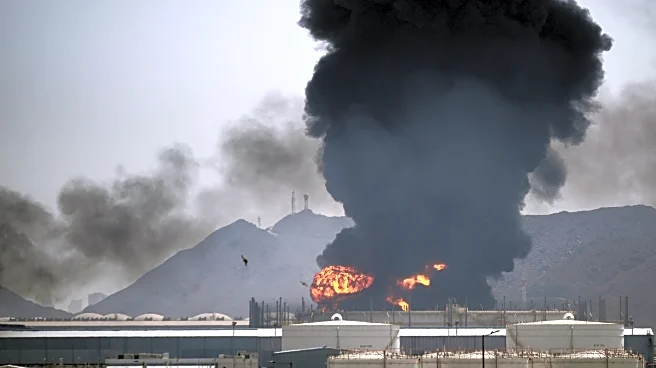
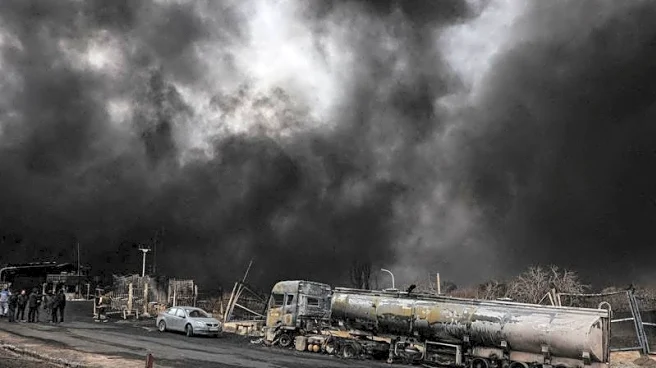
The U.S. and Israel are experiencing differing priorities in their military strategies against Iran, as discussed in a recent NPR segment. President Trump has indicated that there are few remaining targets in Iran, suggesting a potential shift in strategy.
The use of advanced drone and satellite technology is playing a significant role in the conflict, but communication from the U.S. and Israeli militaries remains limited. The segment highlights the challenges of aligning military objectives between the two nations.
Why It's Important?
The divergence in military goals between the U.S. and Israel could impact the effectiveness and coordination of their operations against Iran. The use of advanced technology in warfare is reshaping military strategies and could influence future conflicts. Limited communication and differing objectives may lead to strategic misalignments, affecting the overall success of the military campaign. This situation underscores the complexities of international military alliances and the need for clear communication and shared objectives.
What's Next?
As the conflict continues, both nations may need to reassess their strategies and improve communication to ensure alignment in their military objectives. The potential for a strategic shift by the U.S. could lead to changes in military operations and diplomatic efforts to resolve the conflict. The role of technology in warfare will likely continue to evolve, influencing future military strategies and international relations.