




What's Happening?
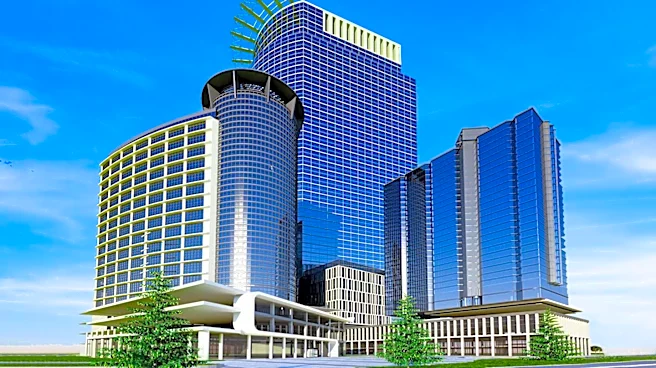
Jersey City officials have given their approval to the plans for the Canal Crossing redevelopment. This decision advances a significant mixed-use project slated for the southeastern area of the city. The Canal Crossing development is expected to transform
a substantial portion of Jersey City, integrating various residential, commercial, and possibly public spaces into a cohesive urban environment. This approval follows a period of planning and review, culminating in the municipal government's green light for the project to proceed. The development aims to address urban growth and infrastructure needs within the city, contributing to its ongoing evolution as a major metropolitan hub. The specifics of the mixed-use components, such as the ratio of residential to commercial units or the inclusion of green spaces, will be detailed as the project moves forward from this approval stage.
Why It's Important?
The approval of the Canal Crossing redevelopment is important for Jersey City's urban development and economic landscape. Large-scale mixed-use projects like this typically bring significant investment, create jobs during construction and in the subsequent operational phases, and can revitalize previously underutilized areas. For residents, it means potential new housing options, retail establishments, and community amenities, which can enhance the quality of life and provide more local services. Economically, such developments can boost the city's tax base, providing additional revenue for public services and infrastructure improvements. However, it also raises considerations regarding potential impacts on existing communities, such as changes in traffic patterns, demand for public transportation, and the affordability of new housing units. The project's success will depend on its ability to integrate seamlessly with the existing urban fabric and address the needs of both new and long-term residents.
What's Next?
Following the approval, the Canal Crossing redevelopment project will likely move into more detailed design and permitting phases. Developers will need to secure various construction permits and finalize architectural and engineering plans. Community engagement efforts may continue as specific aspects of the project, such as traffic management plans or environmental impact mitigation, are developed. Construction is expected to commence once all necessary approvals and financing are in place, which could take several months to a year or more. The project's timeline will also depend on market conditions and the availability of resources. Local businesses and residents in the southeast side of Jersey City can anticipate changes in their neighborhood as construction begins, including potential temporary disruptions and, eventually, the emergence of new facilities and infrastructure.
Beyond the Headlines
The Canal Crossing redevelopment represents a broader trend in urban planning towards creating self-sufficient, mixed-use communities that reduce reliance on single-purpose zoning. This approach aims to foster vibrant neighborhoods where people can live, work, and access amenities within close proximity, potentially reducing commute times and promoting a more sustainable lifestyle. The project's long-term success could serve as a model for future urban developments in the region, influencing how other cities approach growth and revitalization. It also highlights the ongoing challenge of balancing economic development with community needs, including affordable housing, green space preservation, and infrastructure capacity. The ethical considerations of urban redevelopment often revolve around ensuring equitable growth and preventing displacement, which will be critical factors in the ultimate legacy of the Canal Crossing project.