






What's Happening?
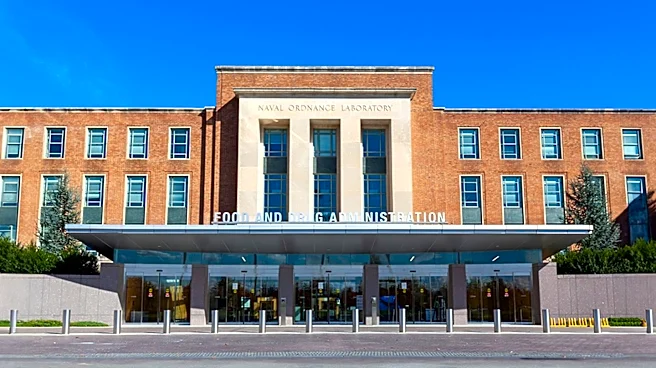
A recent investigation by The Washington Post reveals that the U.S. Food and Drug Administration (FDA) has inspected only a small fraction of foreign facilities that supply fresh produce to the United States. Specifically, since 2009, only 7.6% of foreign facilities accounting
for 90% of fresh produce imports have been inspected. In Mexico, the largest supplier, the FDA has inspected approximately 2% of facilities. This includes a mere 28 inspections of 3,321 major berry suppliers and 57 inspections of 398 pepper suppliers since 2009. The Food Safety Modernization Act (FSMA) of 2011 set a goal of 19,200 foreign food inspections annually, yet the FDA completed only 1,024 last year, about 5% of its target. This comes as imports now constitute 34% of fresh vegetables and 59% of fresh fruit consumed by Americans, with produce imports from Mexico alone quadrupling to $16.7 billion last year. The report highlights a significant gap in food safety oversight, linking it to recent outbreaks.
Why It's Important?
This lack of FDA oversight has direct and severe implications for public health and the U.S. food supply chain. The Washington Post's findings connect the minimal inspection rates to recent foodborne illness outbreaks. For instance, iceberg lettuce from Taylor Farms de Mexico, last inspected seven years prior, was linked to a cyclosporiasis outbreak that sickened 12,883 people across 21 states, hospitalized 570, and caused two deaths. Investigators later found Cyclospora in wastewater and drainage at the facility. Similarly, a Salmonella outbreak linked to jalapeños, affecting nearly 500 people, saw no FDA team sent to the likely source farm due to security concerns in a cartel-active region. These incidents underscore how inadequate inspections can lead to widespread illness and fatalities, eroding consumer trust in imported produce. The economic impact includes healthcare costs, lost productivity, and potential damage to the reputations of implicated companies and the broader import industry. The current system, where only a small fraction of imported food is physically examined at the border, leaves millions of Americans vulnerable to contaminated produce.
What's Next?
The Washington Post's investigation is expected to intensify calls for congressional action and increased funding for the FDA. FDA's acting deputy commissioner for food, Donald Prater, acknowledges that inspections are not the sole measure of oversight, pointing to border testing and AI, but the report emphasizes the limited scope of these alternatives. The FDA is requesting an additional $9 million for foreign inspections and authority to collect fees from foreign facilities, which could generate $71 million. Congress is now under pressure to fund the FDA to meet the foreign inspection mandate set in 2011, particularly for high-risk produce and countries. Lawmakers like Senator Susan Collins and Representative Rosa DeLauro, who have expressed concerns about food safety, are expected to push for real oversight hearings, not just letters, involving the FDA and companies linked to recent outbreaks. This could lead to policy changes, similar to how past outbreaks influenced food safety legislation, potentially strengthening the Foreign Supplier Verification Program and reducing reliance on paper audits.
Beyond the Headlines
The revelations extend beyond immediate public health concerns, highlighting systemic vulnerabilities in the U.S. food safety framework and the challenges of globalized food supply chains. The reliance on imported produce, now a significant portion of American consumption, necessitates robust oversight that the current FDA inspection rates clearly do not provide. The issue also touches upon geopolitical complexities, as security risks in regions like Mexico can impede essential inspections, creating blind spots in food safety. Ethically, the situation raises questions about the responsibility of both foreign producers and U.S. regulatory bodies to ensure the safety of food consumed by millions. The disparity between the FSMA's inspection goals and actual performance suggests a chronic underfunding or underprioritization of foreign food safety. This could trigger a broader reevaluation of how the U.S. balances trade, food security, and public health, potentially leading to more stringent import requirements, increased domestic production incentives, or innovative technological solutions for remote monitoring and verification.