






What's Happening?
The United States is currently experiencing its largest recorded outbreak of cyclosporiasis, with 1,947 confirmed cases across nine states. The outbreak has highlighted significant challenges in food traceability, particularly as enforcement of the FDA's
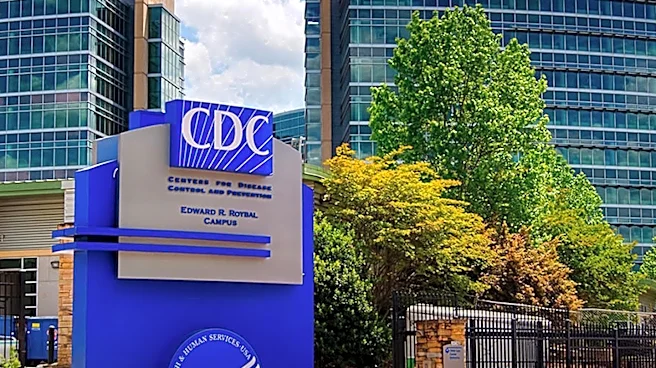
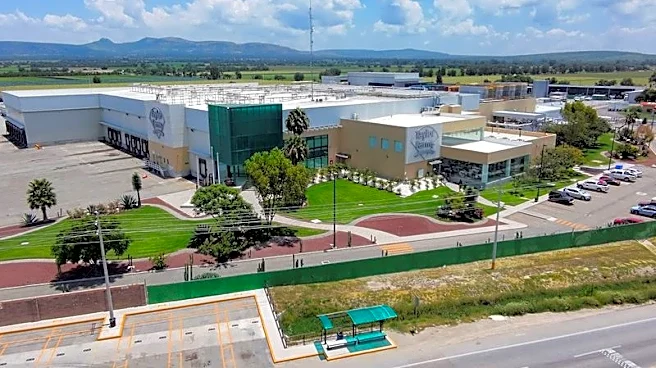
Food Safety Modernization Act (FSMA) Section 204 has been delayed. This section mandates lot-level traceability for certain foods, including fresh leafy greens, which are at the center of this outbreak. The Centers for Disease Control and Prevention (CDC) has identified iceberg lettuce from central Mexico as the source, leading to a recall by Taylor Farms de Mexico. The recall affects products distributed to at least 27 states. Despite negative tests from Mexican health authorities, the FDA maintains that the lettuce is the likely source due to the long incubation period of cyclospora.
Why It's Important?
This outbreak underscores the critical need for effective food traceability systems in the U.S. food supply chain. The delay in enforcing FSMA Section 204 has left food businesses in a precarious position, as they must navigate the complexities of tracing produce origins without regulatory penalties. The outbreak's scale, affecting multiple states and thousands of consumers, highlights the potential public health risks and economic impacts of inadequate traceability. For food and beverage operators, the ability to quickly trace and recall contaminated products is essential to prevent further spread and protect consumer safety. The situation also raises questions about the resilience of supply chains and the importance of diversifying sourcing regions to mitigate risks.
What's Next?
The FDA and CDC continue to investigate the outbreak, with the CDC providing weekly updates. Food businesses are urged to enhance their traceability capabilities, ensuring they can respond swiftly to recalls. The industry faces pressure to demonstrate operational readiness for traceability, even as enforcement of FSMA 204 is deferred. This includes confirming lot-level visibility, diversifying sourcing regions, and testing internal systems for compliance with traceability requirements. The ongoing outbreak serves as a real-time test of these systems, with significant implications for future regulatory practices and food safety standards.