




What's Happening?
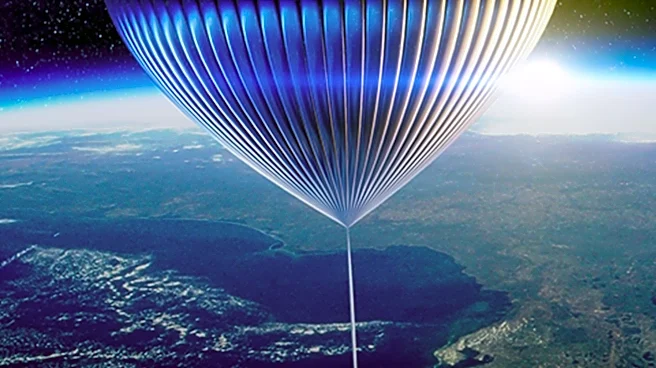
Changes in the U.S. weather balloon launch schedule are affecting Canada's ability to predict severe weather. The U.S. has deviated from the World Meteorological Organization's designated launch times, leading to gaps in data collection. This has resulted
in an 18-hour gap in observations used by Canadian forecasters. The reduction in timely data is causing a degradation of higher-resolution weather models, impacting the accuracy of forecasts. Canada relies heavily on U.S. data for its weather predictions, particularly for severe storm forecasting in regions like Southern Ontario and Quebec.
Why It's Important?
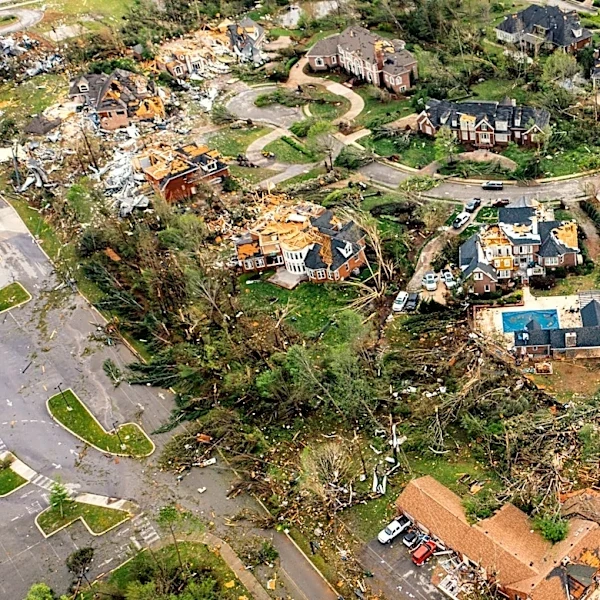
The changes in the U.S. weather balloon launch schedule have significant implications for weather forecasting in Canada. Accurate weather predictions are crucial for public safety, especially in regions prone to severe weather events like tornadoes. The lack of timely data could lead to less reliable forecasts, potentially affecting emergency preparedness and response efforts. This situation underscores the importance of international cooperation in meteorological data collection and the need for Canada to enhance its own data collection capabilities to reduce reliance on U.S. data.
What's Next?
In response to the data gaps, Canada has temporarily deployed a mobile upper air station in Saskatoon to launch weather balloons. This measure aims to improve data collection and forecasting accuracy. However, there is a call for renewed investment in Canada's weather balloon network to ensure more consistent and reliable data. The situation may prompt discussions on international data-sharing agreements and the need for technological advancements in weather forecasting. The impact of these changes will be monitored closely, particularly during severe weather events.