


What's Happening?
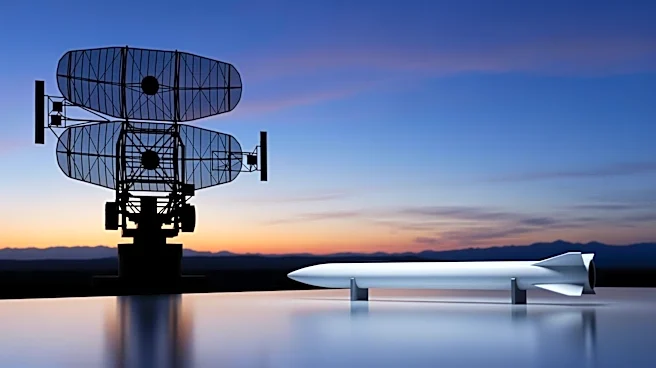
Germany's Defense Minister Boris Pistorius has expressed concerns over a capability gap in long-range strike capabilities following the Trump administration's decision to withdraw U.S. troops from Germany. This move has cast doubt on a previous plan to temporarily
deploy U.S. missile systems in Germany as a bridging measure until European alternatives are developed. Pistorius emphasized the need for Germany and its European allies to develop their own precision-strike systems to compensate for the reduced U.S. military presence.
Why It's Important?
The potential gap in long-range strike capabilities underscores the dependency of European defense planning on U.S. military support. As the U.S. shifts its strategic focus towards the Indo-Pacific, European nations may need to accelerate the development of indigenous defense technologies to ensure their security. This situation highlights the importance of European defense cooperation and the need for a coordinated response to evolving security challenges.
What's Next?
Germany and its European partners are likely to intensify efforts to develop and deploy their own long-range strike systems. This may involve increased defense spending and collaboration on joint projects, such as the European Long-Range Strike Approach. The evolving security landscape could also lead to changes in NATO's strategic priorities and defense posture.