






What's Happening?
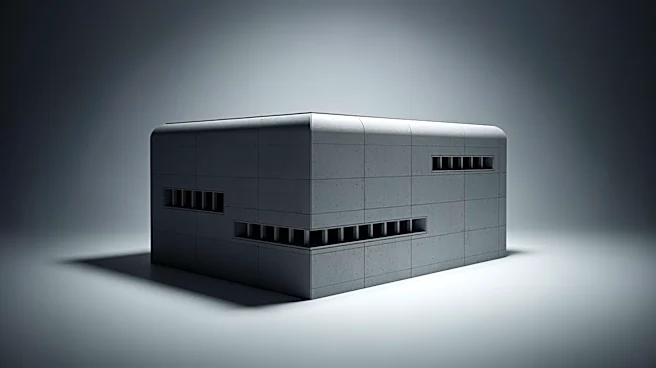
Artist Dries Verhoeven has reimagined the Dutch pavilion at the Venice Biennale, converting it from a modernist, light-filled space into a bunker-like environment. This transformation involves covering the building with metal shutters, symbolizing a retreat
into darkness and a critique of the optimistic ideals of the post-war era. The pavilion, originally designed by Gerrit Rietveld in 1953, is known for its openness and modernist architecture. Verhoeven's installation allows only 100 visitors per hour to experience a performance in the growing darkness, reflecting a shift from openness to enclosure. The project aims to highlight the cracks in the structure and the broader socio-political issues facing the Netherlands and Europe.
Why It's Important?
This transformation of the Dutch pavilion is significant as it challenges the traditional narratives of modernism and openness associated with post-war Europe. By turning the pavilion into a bunker, Verhoeven critiques the current socio-political climate, suggesting a retreat from the ideals of accessibility and international engagement. The installation serves as a metaphor for the increasing entrenchment of the Global North and raises questions about the role of art in reflecting and challenging societal issues. It also highlights the tension between the historical ideals of the 'free West' and the contemporary realities of militarization and political unrest.