






What's Happening?
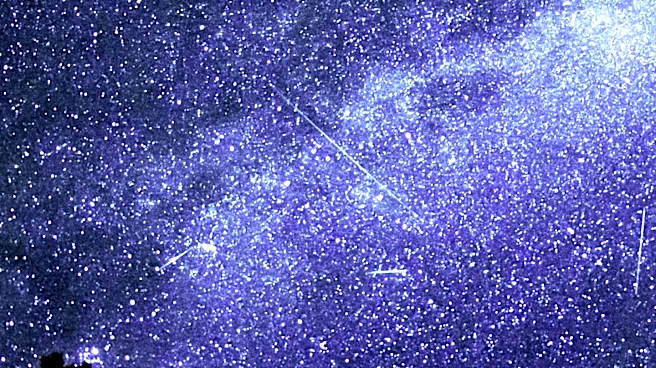
The Eta Aquarids meteor shower, originating from Halley’s Comet, is reaching its peak activity in 2026. This annual celestial event occurs as Earth passes through the densest part of the debris trail left by the comet. The shower is expected to produce
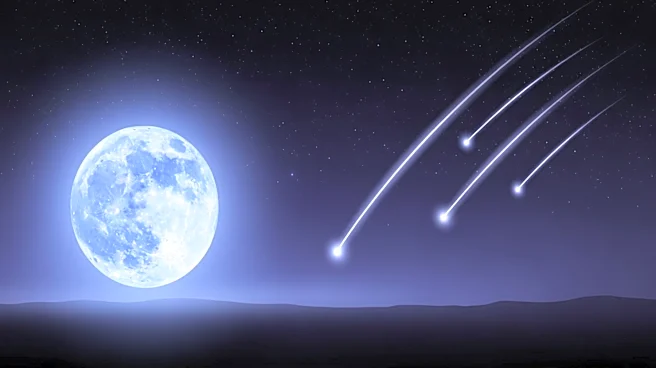
up to 50 meteors per hour under optimal conditions, although viewers in the Northern Hemisphere might see fewer meteors, typically between 10 to 30 per hour. The meteors, known for their bright, fiery trails, are best viewed between midnight and dawn. The shower's peak coincides with a waning gibbous moon, which may interfere with visibility. However, dark sky locations in Ohio, such as Geauga Observatory Park and Fry Family Park, offer ideal viewing conditions.
Why It's Important?
The Eta Aquarids meteor shower is a significant astronomical event that draws interest from both amateur and professional astronomers. It provides an opportunity for educational outreach and public engagement with astronomy. The event highlights the ongoing influence of Halley’s Comet, which, despite its infrequent visibility, continues to impact Earth’s atmosphere through its debris. This meteor shower also marks the beginning of the summer meteor shower season, offering a series of celestial events for enthusiasts to observe. The visibility of such events can inspire interest in space science and foster a greater appreciation for natural phenomena.
What's Next?
Following the Eta Aquarids, the summer meteor shower season will continue, providing more opportunities for skywatchers to observe meteor showers. The Orionids, another meteor shower originating from Halley’s Comet, will occur in October. As these events unfold, astronomers and enthusiasts will continue to monitor and document meteor activity, contributing to our understanding of cometary debris and its interaction with Earth’s atmosphere. Public interest in these events may lead to increased participation in astronomy clubs and educational programs.