








What's Happening?
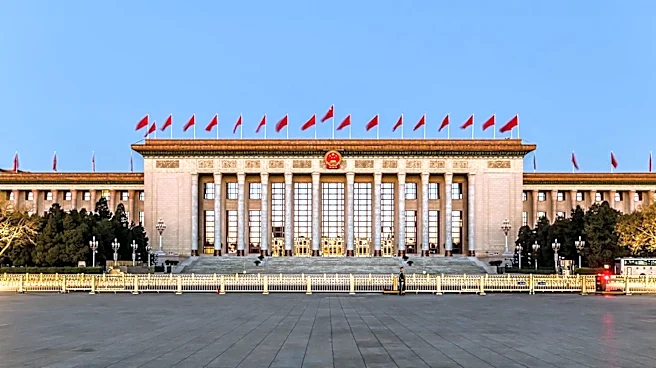
As the COP31 climate summit in Turkey approaches, China is signaling its priorities for the negotiations, focusing on upholding multilateralism and promoting an open and efficient trade system for clean energy technologies. China's environment vice-minister
Li Gao has stressed the need for global unity on climate action and an international trade system that facilitates the adoption of clean-energy technologies. At COP30, China played a role in establishing a dialogue on climate-related unilateral trade measures and a two-year work program for climate finance. Experts suggest that China's vision for multilateralism will likely involve opposing unilateralism and advocating for fair international trade, reflecting its concerns about tariffs hindering the global flow of Chinese clean technologies. China is also expected to seek clarity on the implementation of existing climate targets, including nationally determined contributions (NDCs) and the $300 billion climate finance goal, while maintaining that developed countries should lead on climate finance.
Why It's Important?
China's stance at COP31 holds significant implications for global climate policy and international trade. Its emphasis on multilateralism could influence the direction of future climate agreements, potentially fostering more collaborative approaches to environmental challenges. The push for an open and efficient trade system for clean energy technologies directly impacts the U.S. and other nations, particularly concerning tariffs and market access for renewable energy products. If China successfully advocates for reduced trade barriers, it could accelerate the global adoption of clean technologies, benefiting countries seeking to transition away from fossil fuels. Conversely, continued trade tensions could hinder the deployment of these technologies, affecting the pace of climate action worldwide. China's role in climate finance, particularly its call for developed countries to increase support for developing nations, could also reshape financial commitments and aid flows for climate adaptation and mitigation efforts globally.
What's Next?
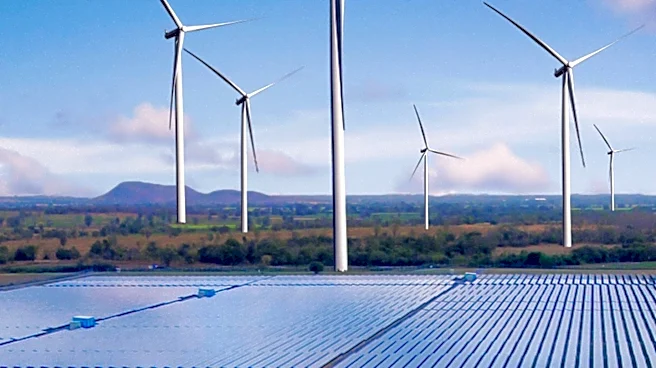
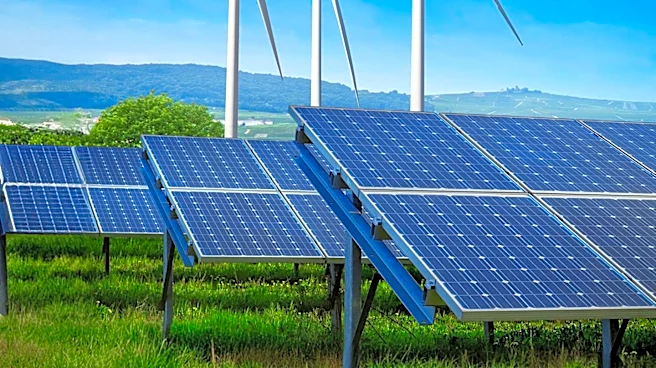
At COP31, China is anticipated to continue integrating trade perspectives into climate negotiations, aligning with its new five-year plan on climate action that calls for handling climate-trade issues and ensuring the free flow of low-carbon products. Observers will be watching how China responds to the COP presidency's electrification initiative, as Beijing increasingly views climate diplomacy through the lens of clean-energy diplomacy, leveraging its industrial strength in renewables, electric vehicles, batteries, and grid infrastructure. While China is expected to welcome a global electrification initiative, it may remain hesitant to link these targets to commitments regarding transitioning away from fossil fuels. The conference will also be a test of whether countries can address their differences on climate-trade while keeping clean technologies affordable and accessible, aiming to achieve global energy-transition targets by 2030 and translate ambitions into measurable emissions reductions.
Beyond the Headlines
Beyond the immediate negotiations, China's approach at COP31 reflects a broader strategic effort to position itself as a global climate leader while simultaneously defending its economic interests as a manufacturing hub for clean technologies. The tension between advocating for global climate action and addressing persistent frustrations with tariffs on its clean technology exports highlights the complex interplay between environmental policy and international trade. This dynamic could lead to new frameworks for climate-related trade discussions or a more pronounced push for dedicated agenda items on trade within climate summits. Furthermore, China's potential to contribute to the rapid abatement of non-CO2 gases, such as methane and industrial nitrous oxide, as part of its 2035 all-sector, all-greenhouse gas NDC, could open new avenues for global climate cooperation beyond traditional energy transition efforts. The outcome of these discussions will shape not only climate policy but also the future of global economic partnerships in the green sector.