








What's Happening?
The Trump administration has identified over 15,000 cases where adults have gained custody of multiple immigrant children who entered the U.S. without a parent. This move signals a potential push to prosecute these prolific child sponsors, referred to as 'super-sponsors.'
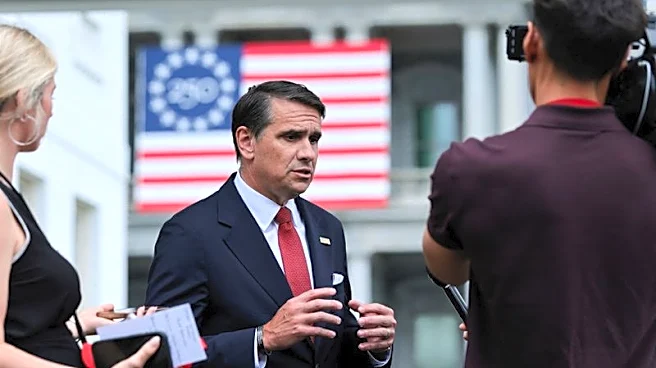
The Justice Department has highlighted cases against three Guatemalan nationals, emphasizing the risks associated with improper vetting of sponsors. These sponsors are often relatives or family friends who take custody of the children after they enter the U.S. The administration is investigating whether these sponsors have taken in children fraudulently. Acting Attorney General Todd Blanche stated that the administration will not accept half measures in securing the border and protecting children from exploitation. Under the Biden administration, efforts were made to release children to eligible sponsors within 30 days, but this approach led to errors, including children being released to adults who forced them to work illegally.
Why It's Important?
This development is significant as it highlights the ongoing challenges and controversies surrounding U.S. immigration policies, particularly those affecting unaccompanied migrant children. The Trump administration's focus on prosecuting 'super-sponsors' underscores a stricter approach to immigration enforcement, which could lead to increased scrutiny and potential legal actions against sponsors. This could impact the speed and process of reuniting children with their families or guardians, potentially prolonging their stay in federal custody. The issue also reflects broader partisan disagreements over immigration policies, with Republicans emphasizing law enforcement and Democrats advocating for more humane treatment of migrants. The administration's actions could have implications for the welfare of migrant children and the legal responsibilities of their sponsors.
What's Next?
The administration's investigation into 'super-sponsors' is likely to continue, potentially leading to more prosecutions if fraudulent activities are uncovered. This could result in changes to the vetting process for sponsors, possibly making it more stringent. The issue may also prompt further legal challenges and public debate over the treatment of migrant children and the responsibilities of their sponsors. Immigration advocacy groups and legal representatives of the accused may respond with criticism or legal action against the administration's policies. Additionally, the situation could influence future legislative discussions on immigration reform and the protection of unaccompanied migrant children.