


What's Happening?
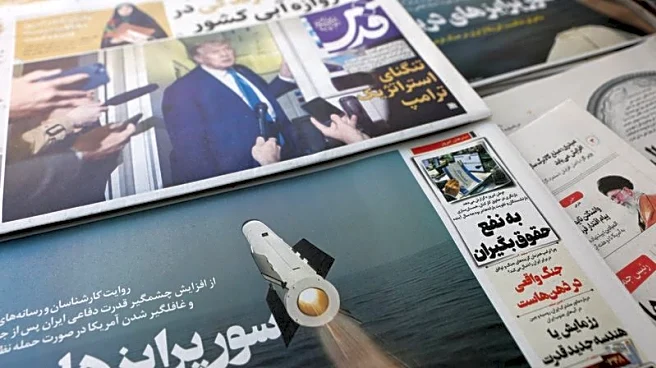
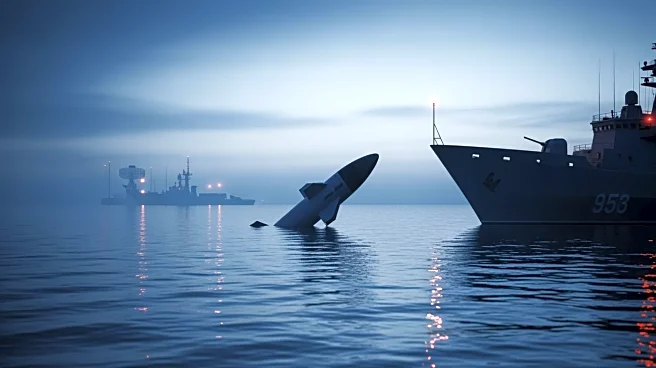
Iran is reportedly close to finalizing a deal with China to purchase CM-302 supersonic anti-ship cruise missiles. These missiles, capable of traveling approximately 290 kilometers, are designed to evade naval defenses by flying at low altitudes and high
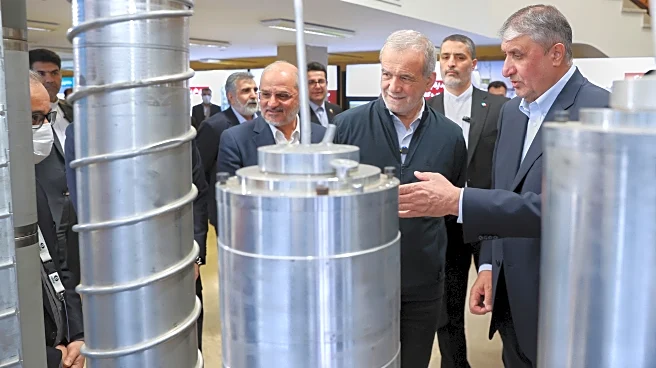
speeds. The negotiations, ongoing for over two years, have gained momentum following a brief conflict between Israel and Iran. Senior Iranian officials, including Deputy Defense Minister Massoud Oraei, have visited China to advance the talks. The potential acquisition of these missiles would significantly enhance Iran's military capabilities, posing a threat to U.S. naval operations in the region. The deal, if completed, would violate a United Nations arms embargo and highlight the strengthening military ties between China and Iran.
Why It's Important?
The potential missile deal between Iran and China could have significant geopolitical implications, particularly for U.S. interests in the Middle East. The acquisition of advanced military technology by Iran would complicate U.S. efforts to control Iran's missile development and nuclear program. It also underscores the growing military cooperation between China and Iran, which could challenge U.S. influence in the region. The presence of U.S. naval forces, including aircraft carriers USS Abraham Lincoln and USS Gerald R. Ford, near Iran indicates the seriousness with which the U.S. views this potential threat. The deal could also impact regional stability, as it may embolden Iran in its military engagements.
What's Next?
If the deal is finalized, it could lead to increased tensions between the U.S. and Iran, potentially resulting in a military confrontation. The U.S. may seek to strengthen its alliances in the region and increase diplomatic pressure on China to halt the sale. Additionally, the deal could prompt other regional powers to enhance their military capabilities, leading to an arms race in the Middle East. The international community, particularly the United Nations, may also face pressure to enforce the arms embargo more strictly to prevent further escalation.